
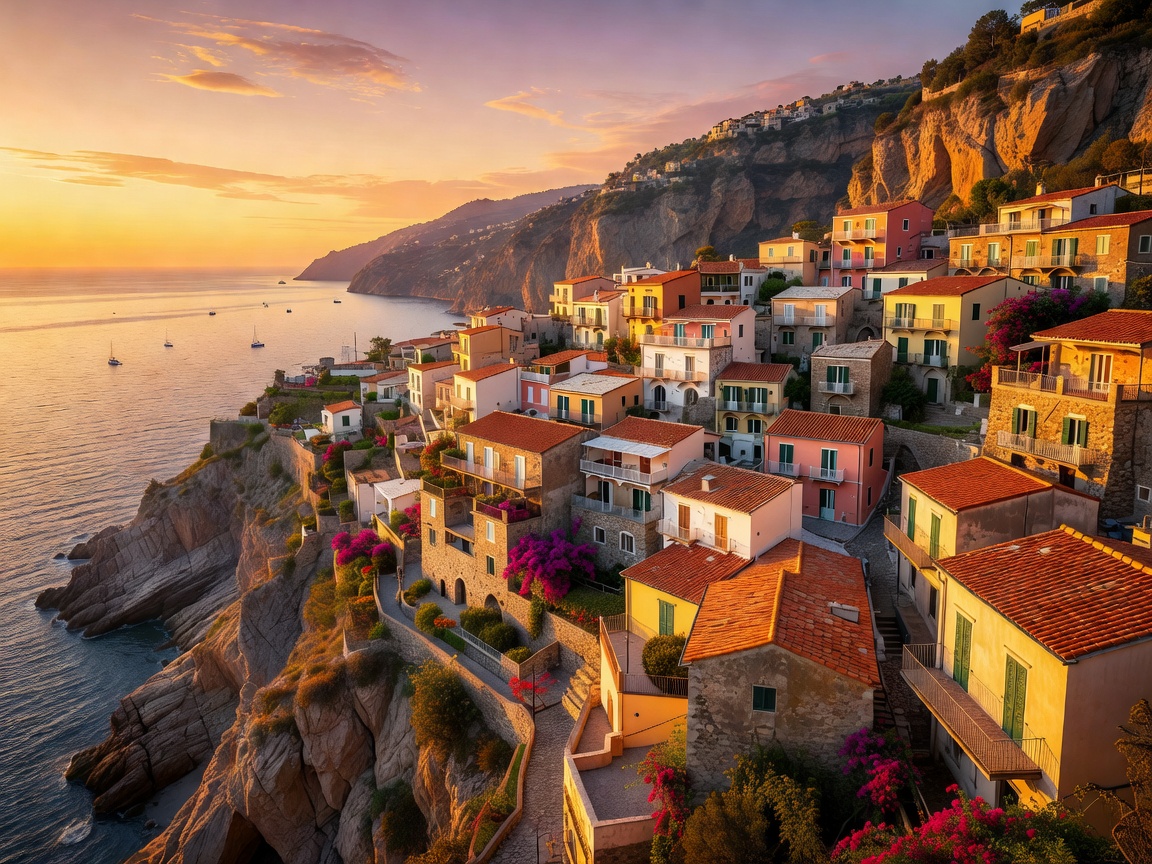

The Chipperpalhous Travel Journal · Edition 2026
Complete Europe Travel Guide: Places to Visit & Things to Do
Sun-warmed piazzas, fjord-side villages and palace gardens — ten countries, fifty unforgettable places and the practical know-how to string them together into one unhurried journey.
- 10countries
- 50destinations
- 5in-depth guides


Explore Europe
One continent, ten countries, a lifetime of journeys
Europe rewards travellers who slow down. In a single morning you can leave the marble lanes of Florence, watch Tuscan hillsides slide past a train window and arrive in Venice in time for a late lunch of cicchetti beside a canal. Distances are short, rail links are dense and every border seems to change the language, the bread and the rhythm of the day.
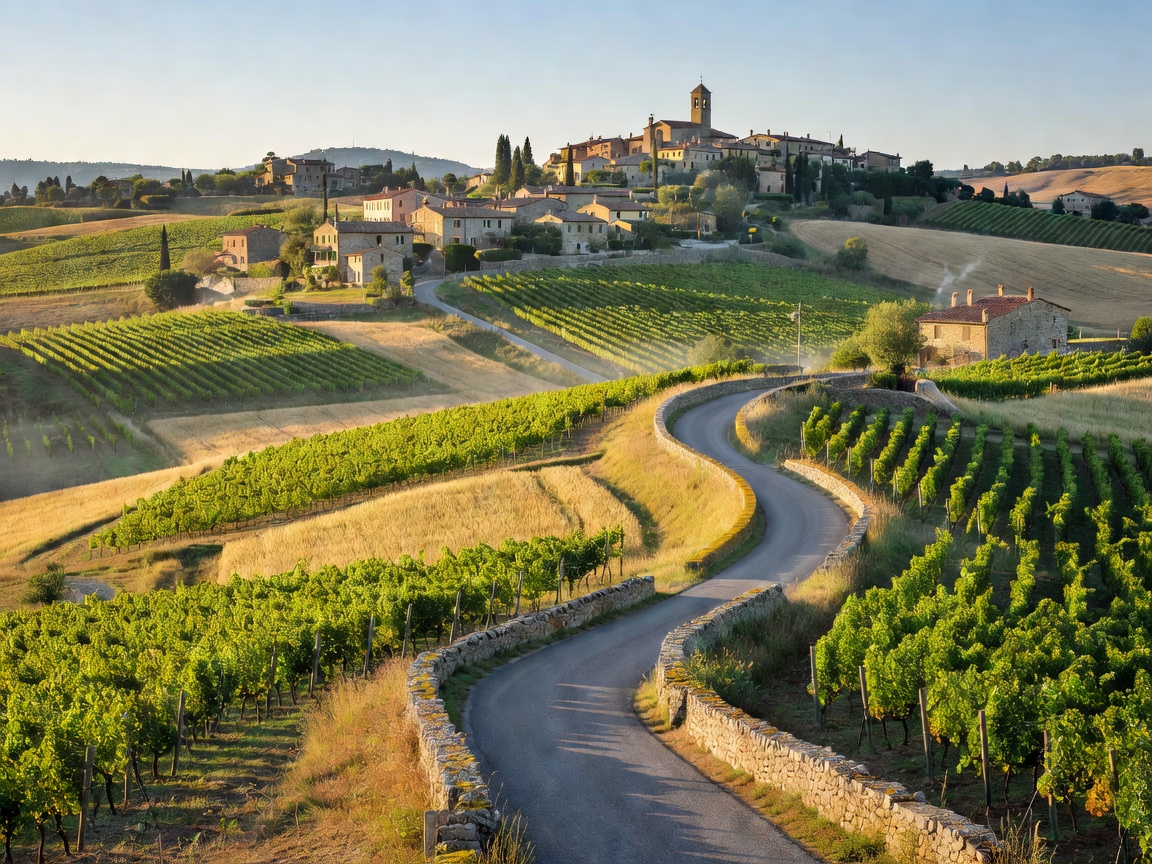
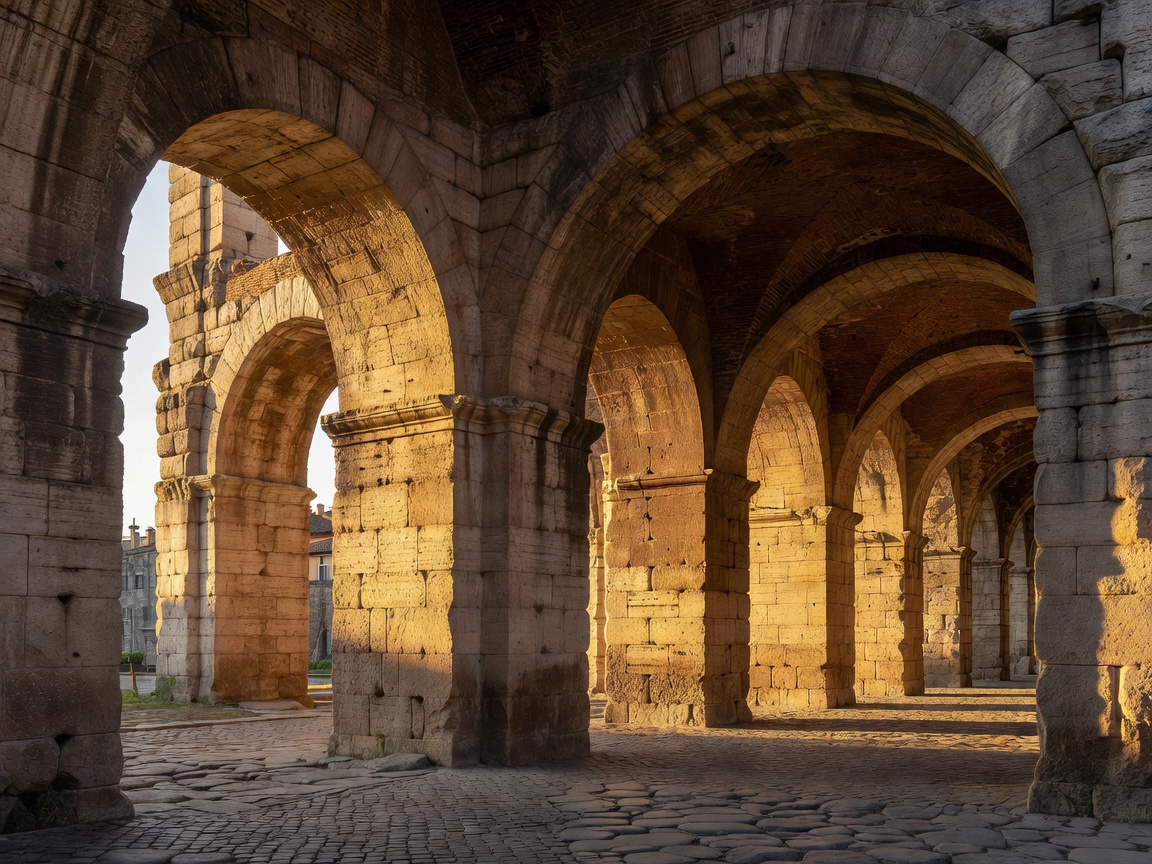
This journal gathers ten countries — France, Italy, Spain, Greece, Switzerland, Austria, Portugal, the Netherlands, Norway and Croatia — and fifty places within them. The five guides below break that map into manageable chapters: where to go, which landmarks to prioritise, where nature and coastline steal the show, what to do and eat, and how to handle hotels, trains, timing and budget.
Read them in order for a complete primer, or jump straight to the chapter you need. Each one favours practical detail over hype: when to book, what to expect, and the trade-offs that decide whether a destination suits your style of travel.


Travel FAQ
Questions we hear before every European journey
Short, practical answers. For the full detail, follow the links into each chapter.
How many countries can I realistically visit in two weeks?
Two or three countries, or roughly four to five bases, is a comfortable pace. Every move costs half a day in packing, transit and check-in, so fewer bases usually means more time actually enjoying places. See our suggested itineraries for tested route shapes.
Do I need a visa to travel around these ten countries?
All ten countries in this guide are part of the Schengen Area, including Switzerland and Norway, which are not EU members. Entry rules depend on your nationality, and the EU is introducing new electronic entry systems, so always check the official government or EU websites before booking.
Is it better to travel by train or by plane?
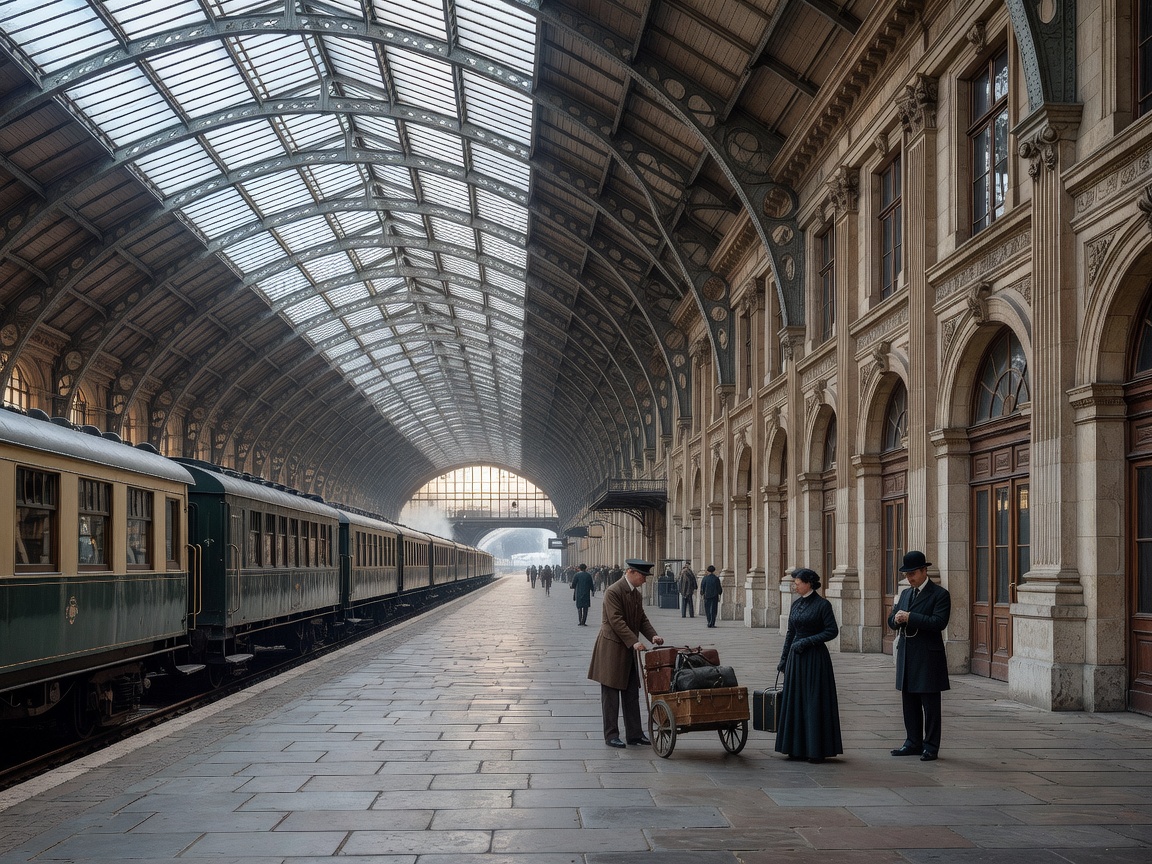
For trips under five or six hours, trains usually win once you add airport transfers and security. Flights make sense for long hops such as Lisbon to Athens or reaching the Greek islands and northern Norway. Our transport section compares both.
What is the best time of year to visit Europe?
The shoulder months of May, June, September and early October offer the best balance of weather, prices and crowds in most places. Winter suits the Alps, Christmas markets and northern lights in Tromsø; high summer is best for the fjords and island beaches if you book early.
Which currencies will I need?
Eight of the ten countries use the euro: France, Italy, Spain, Greece, Austria, Portugal, the Netherlands and Croatia. Switzerland uses the Swiss franc and Norway uses the Norwegian krone. Contactless card payments are widely accepted, especially in Norway and the Netherlands.
How do I avoid the worst crowds at famous landmarks?
Book timed tickets online, arrive at opening time or in the last hours before closing, and visit big sights on weekdays. Our landmarks guide includes specific timing advice for each icon.
Is Europe safe for first-time travellers?
These destinations are generally welcoming and straightforward to navigate. The most common issue is pickpocketing in crowded tourist areas and on public transport, so use a zipped cross-body bag, keep your phone out of back pockets and stay alert around busy landmarks.