On the water
Canals, fjords & ferries
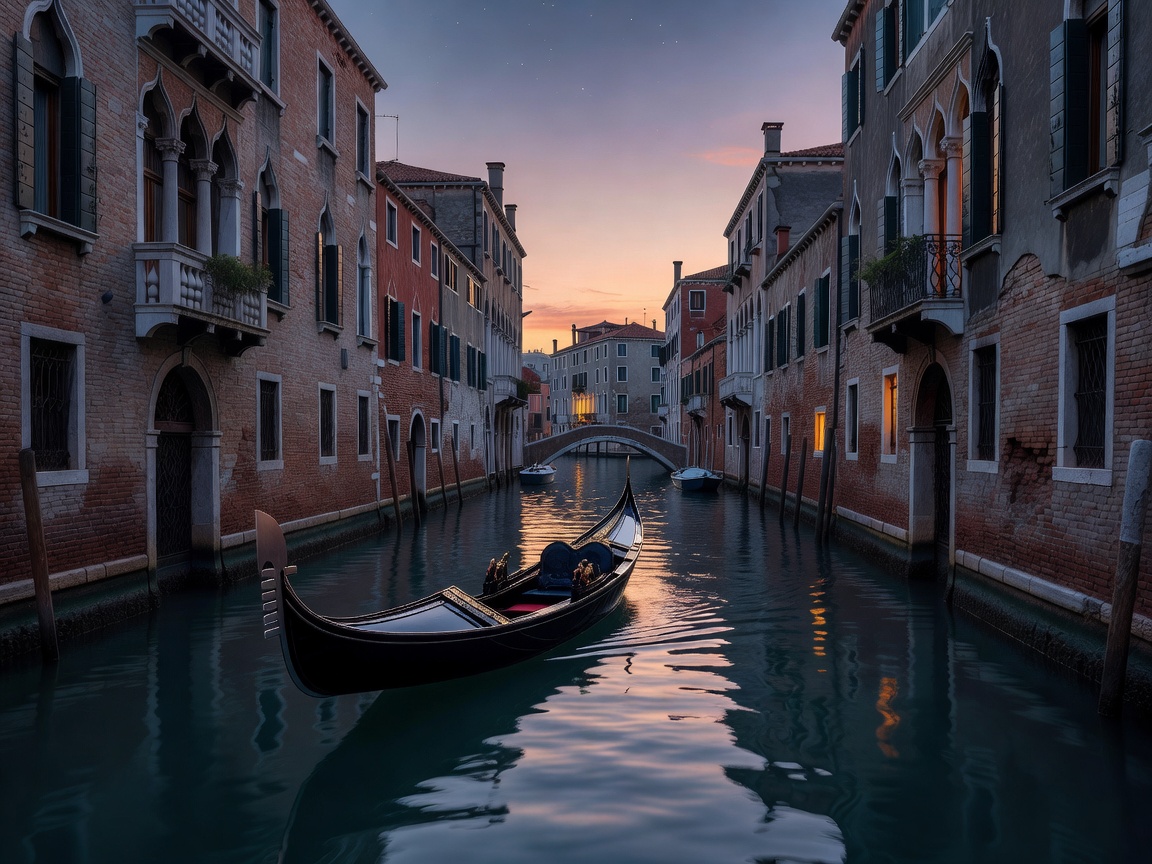
Take a gondola or a traghetto crossing in Venice, a canal cruise in Amsterdam, a fjord boat in Norway or a ferry between Split and Hvar.
The experiences that turn sightseeing into memories, and the dishes that make every country taste different — with the etiquette that helps you eat like a local.
Things to Do
Take a gondola or a traghetto crossing in Venice, a canal cruise in Amsterdam, a fjord boat in Norway or a ferry between Split and Hvar.
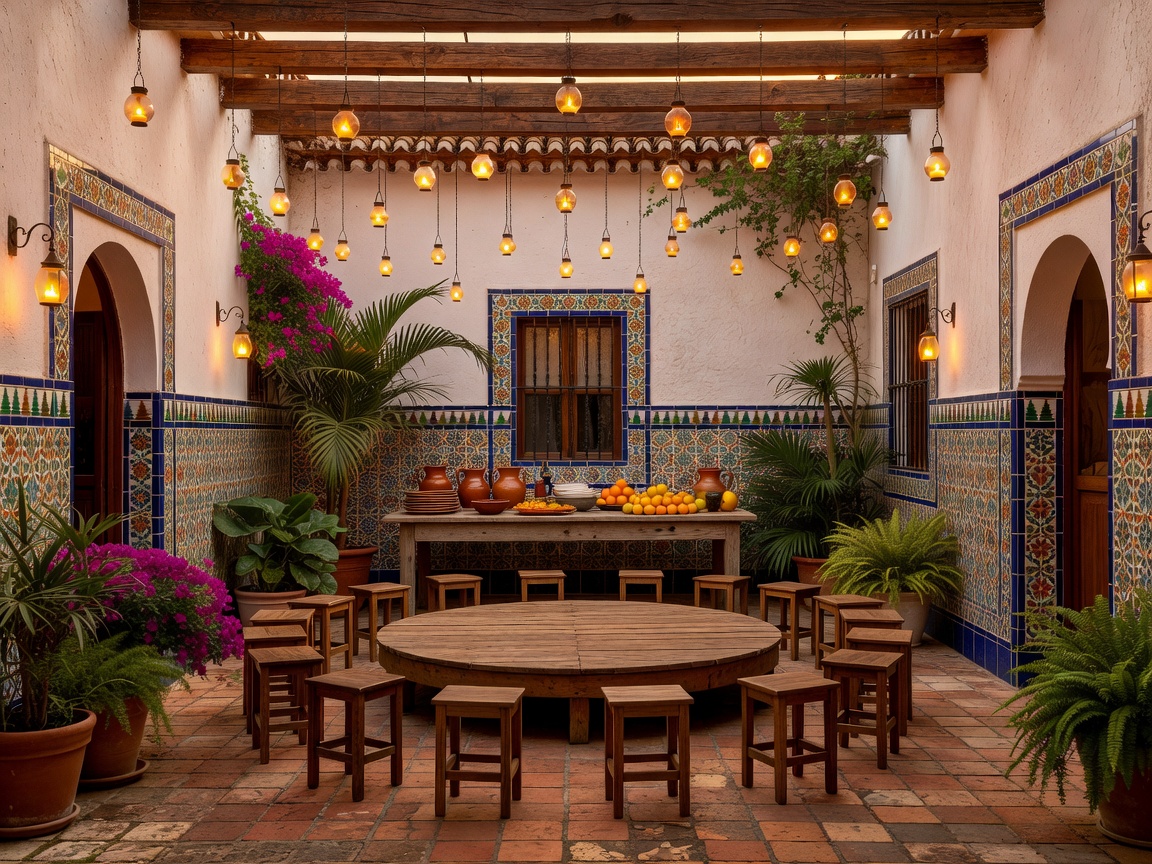
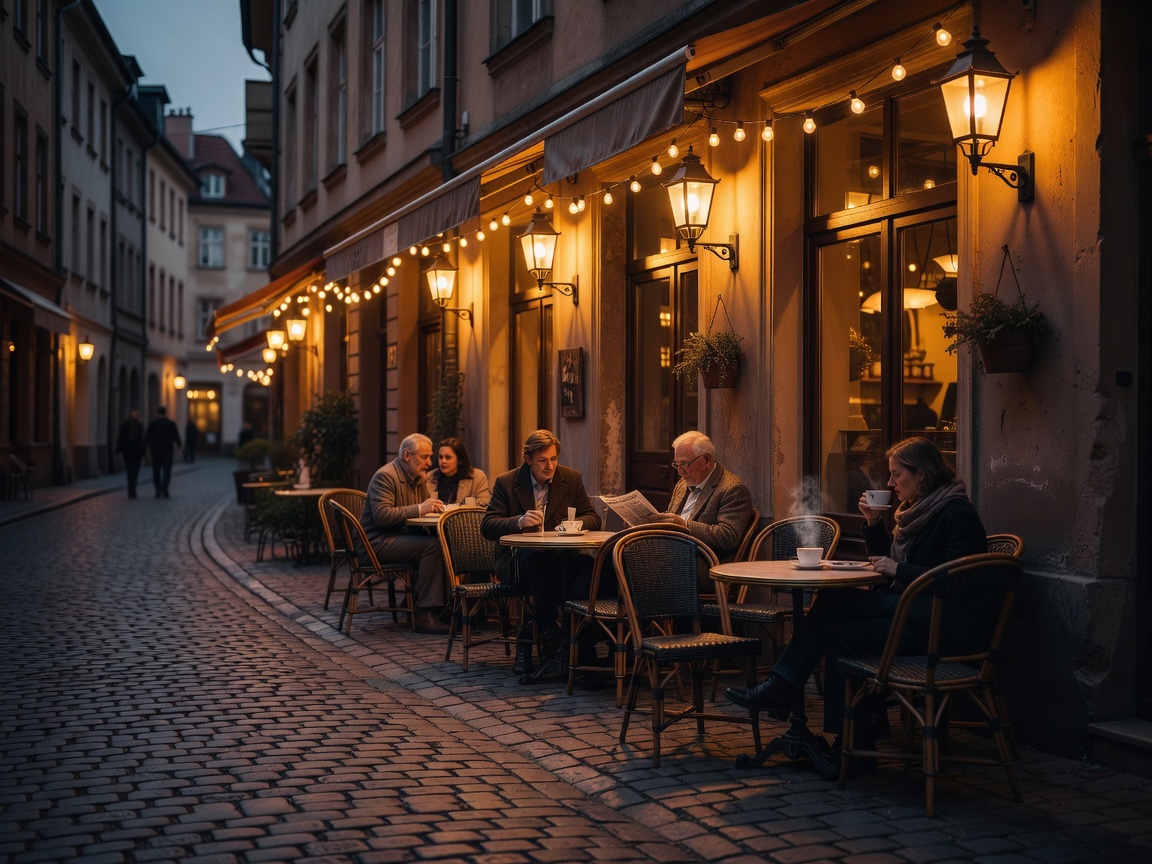
Watch flamenco in Seville's Triana district, hear classical music in Vienna or Salzburg, and linger over coffee and cake in a Viennese coffee house.
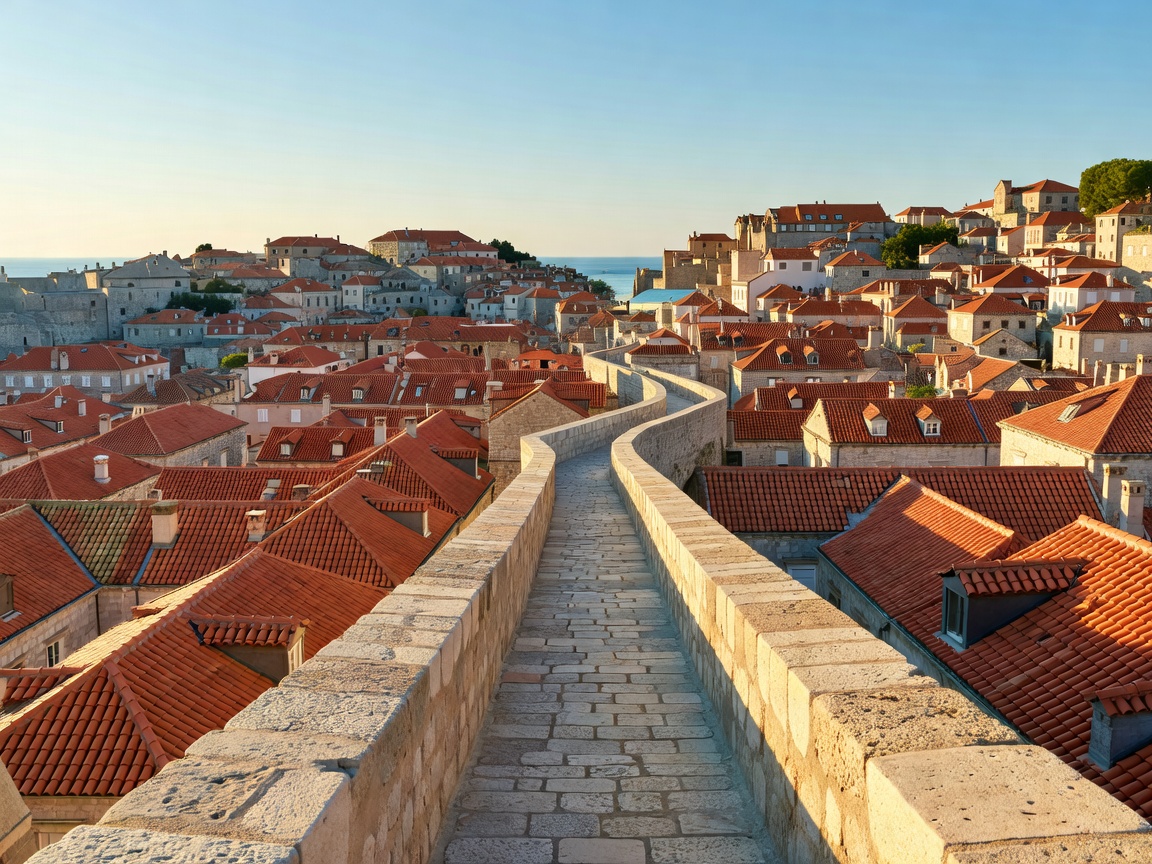
Walk the Dubrovnik city walls, explore Diocletian's Palace in Split, and wander the Alfama in Lisbon or the old town of Zurich.
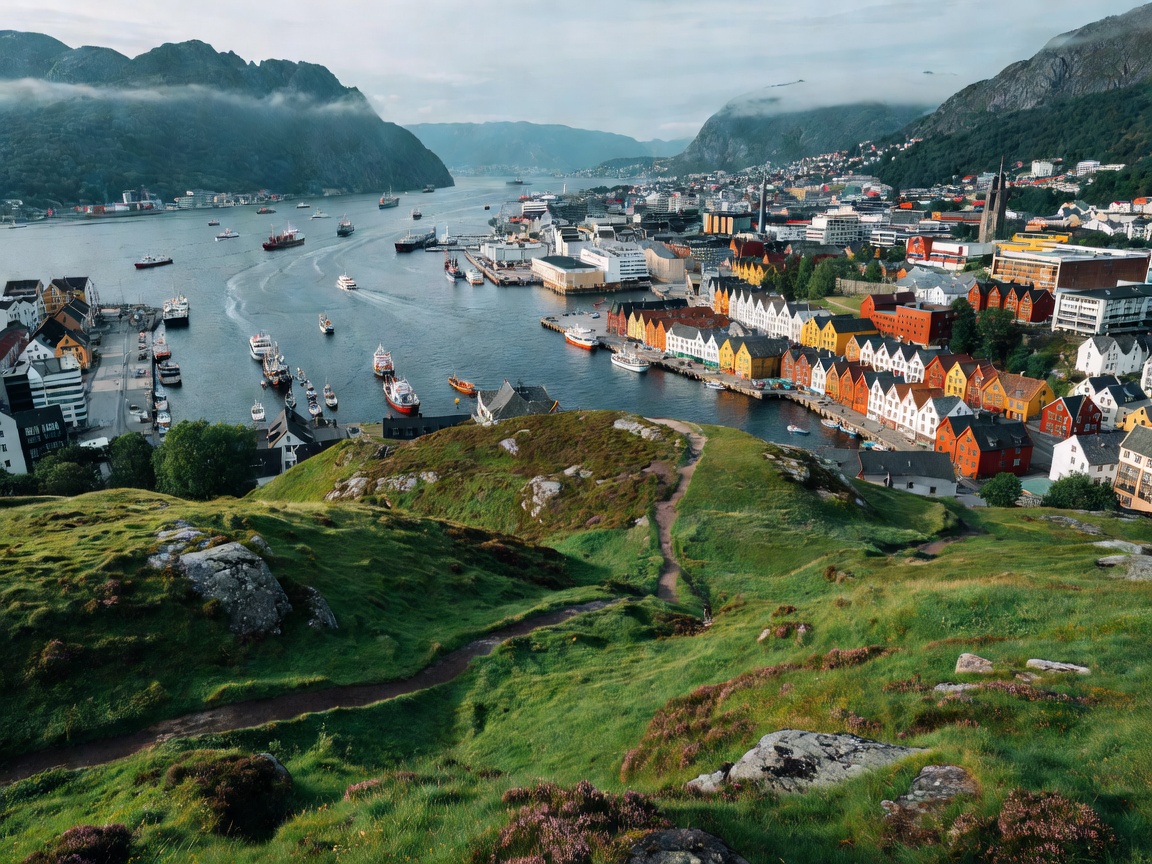
Ride the Fløibanen funicular in Bergen, walk Madeira's levadas, hike the Samaria Gorge on Crete or ski from Innsbruck in winter.
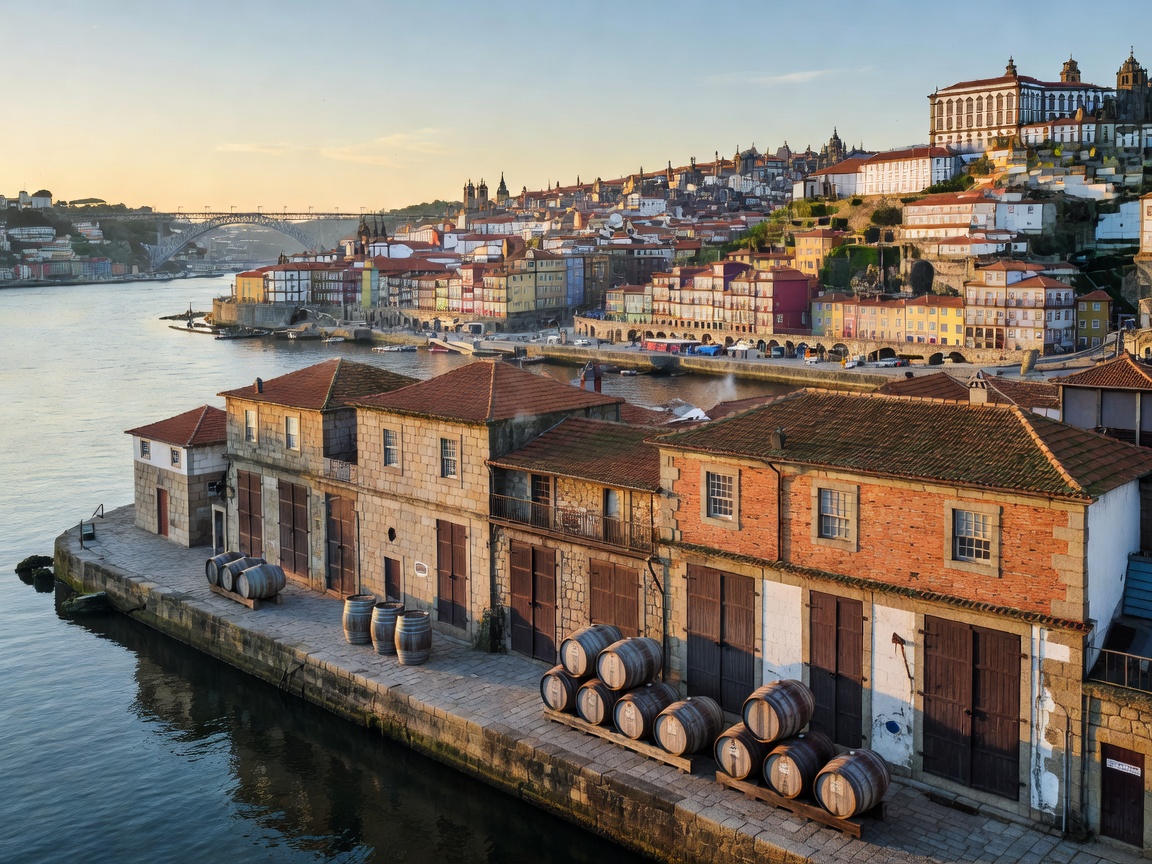
Tour a port lodge in Vila Nova de Gaia, browse Florence's Mercato Centrale or Barcelona's Boqueria, or join a cooking class in Tuscany.
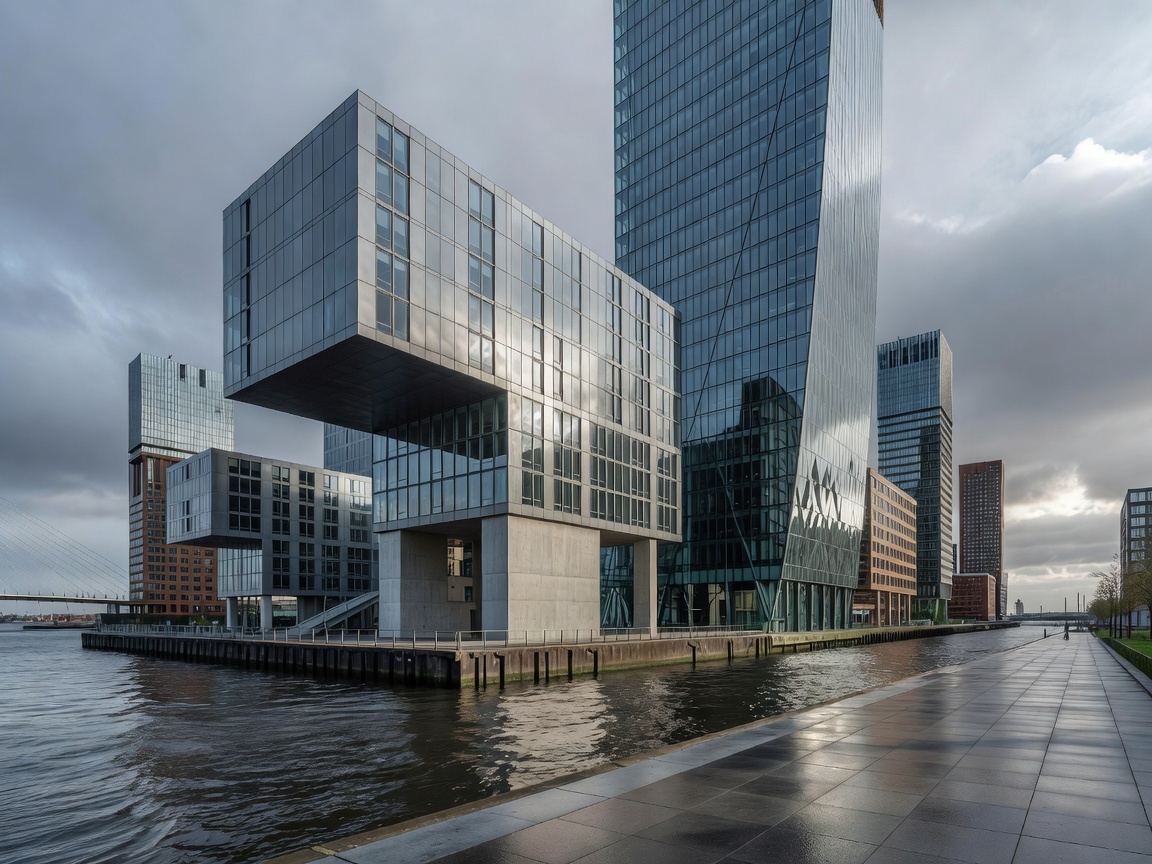
See the Markthal and Cube Houses in Rotterdam, the Munch Museum and Vigeland Park in Oslo, or Gaudí's Park Güell in Barcelona.
Food
France rewards slow meals: buttery croissants at breakfast, cheese and charcuterie with wine, bouillabaisse fish stew on the Riviera and savoury buckwheat galettes near Mont Saint-Michel. Italy changes by city — carbonara and cacio e pepe in Rome, bistecca alla fiorentina in Florence, cicchetti small plates in Venice and lemon-scented seafood on the Amalfi Coast, with gelato everywhere.
Spain is built for sharing: tapas crawls in Seville and Madrid, jamón ibérico, paella by the sea and churros con chocolate. Greece offers souvlaki, moussaka, horiatiki salad and, on Crete, dakos barley rusks topped with tomato and cheese. Portugal gives you the custard tart pastel de nata, grilled sardines, bacalhau salt cod and Porto's hearty francesinha sandwich.
In the Alps, Switzerland serves fondue, raclette and rösti, while Austria answers with Wiener Schnitzel, apple strudel, Sachertorte and Salzburger Nockerl. The Netherlands is best for snacks: stroopwafels, bitterballen, poffertjes and raw herring from street stands. Norway is famous for salmon, seafood from Bergen's fish market and sweet brown cheese called brunost. Croatia brings black cuttlefish risotto and peka, meat or octopus slow-cooked under an iron bell.
Quick reference
| Country | Signature dishes | Where to try |
|---|---|---|
| France | Croissants, bouillabaisse, galettes | Paris bakeries, Riviera harbours, Normandy crêperies |
| Italy | Carbonara, bistecca, cicchetti, gelato | Roman trattorias, Florence, Venetian bacari |
| Spain | Tapas, jamón ibérico, churros | Seville tapas bars, Madrid's Mercado de San Miguel |
| Greece | Souvlaki, moussaka, dakos | Athens tavernas, Cretan villages |
| Switzerland | Fondue, raclette, rösti | Mountain restaurants around Interlaken and Lucerne |
| Austria | Schnitzel, strudel, Sachertorte | Vienna coffee houses, Salzburg inns |
| Portugal | Pastel de nata, bacalhau, francesinha | Lisbon pastry shops, Porto taverns |
| Netherlands | Stroopwafel, herring, bitterballen | Amsterdam markets and brown cafés |
| Norway | Salmon, seafood, brunost | Bergen fish market, Lofoten harbours |
| Croatia | Black risotto, peka | Dalmatian konobas in Split and Hvar |
Meal times vary widely. Spaniards often dine after 9pm, while Norwegians and the Dutch eat much earlier. In Italy, a coperto cover charge on the bill is normal, and ordering a cappuccino after lunch marks you as a visitor. Lunchtime set menus, such as Spain's menú del día, are usually far better value than dinner.
Hungry to put it all together? The final chapter, Plan Your Trip, covers hotels, transport, itineraries and the best time to visit.