Greece
Santorini & Mykonos
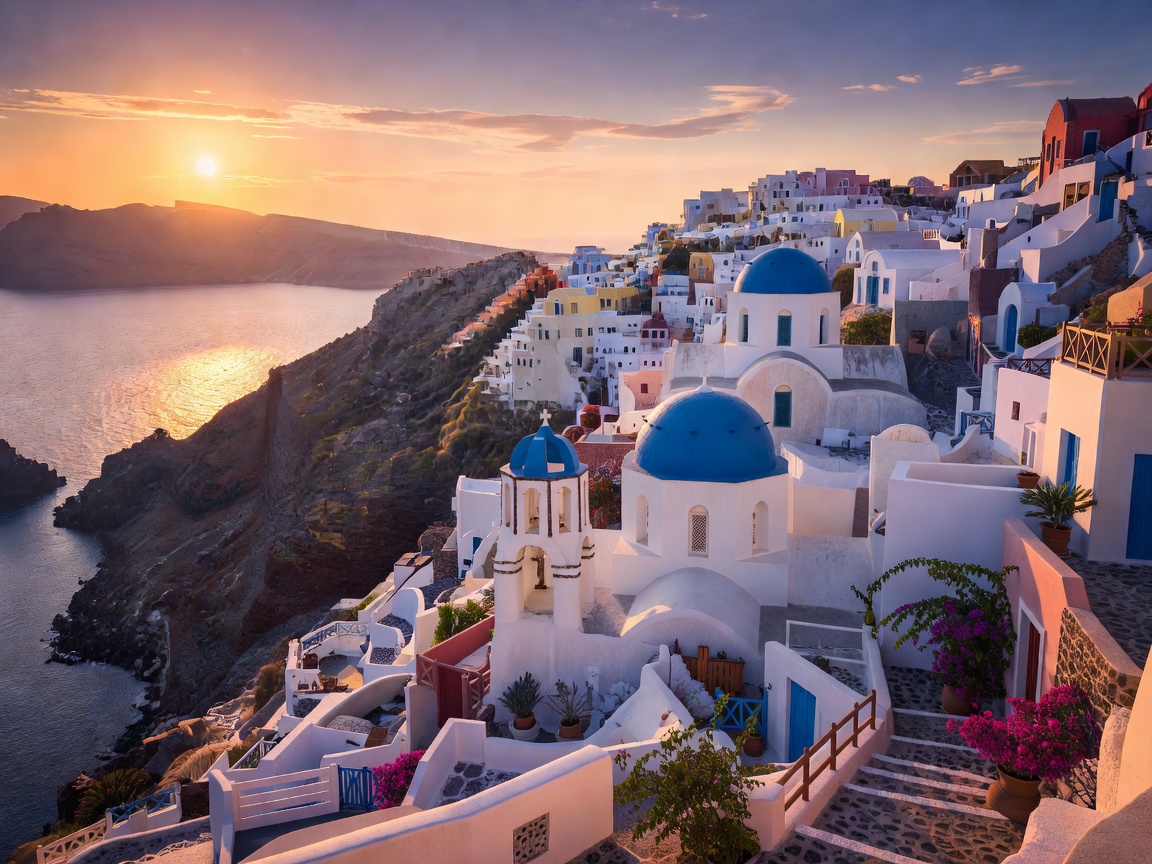
Santorini is about the caldera, Oia sunsets and volcanic beaches. Mykonos brings windmills, Little Venice and lively beach clubs.
From Alpine lakes and Arctic fjords to volcanic islands and golden Atlantic cliffs — the wild side of Europe, with honest notes on crowds, access and the best seasons.
Nature & Landscapes
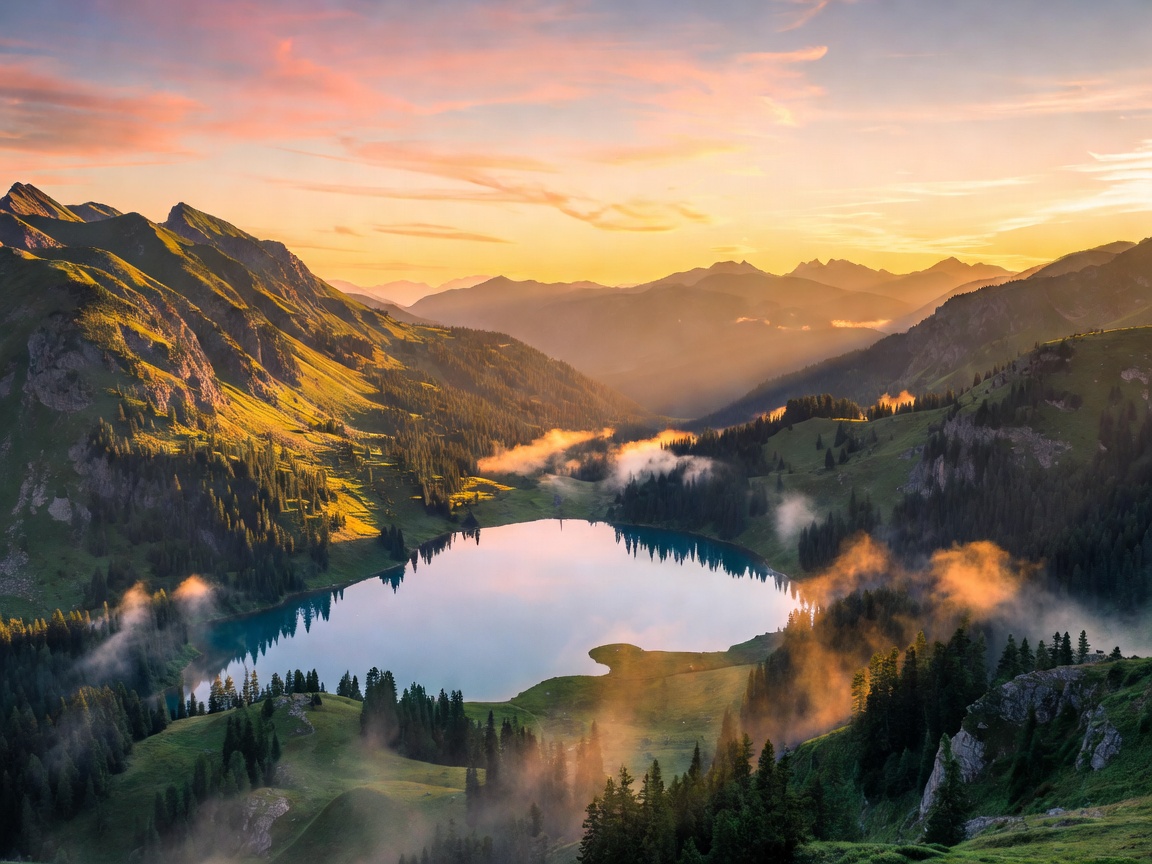
The Swiss Alps are the easiest high mountains in the world to enjoy without climbing gear. From Interlaken, trains and cable cars reach the Jungfrau region, including the Jungfraujoch high-altitude station. Lucerne is the gateway to Mount Pilatus and Mount Rigi, while Lake Geneva offers vineyard terraces around Lausanne and Montreux and the lakeside Château de Chillon. Mountain excursions in Switzerland are expensive, so the Swiss Travel Pass or regional passes are worth comparing against individual tickets.
In Austria, Hallstatt is a pastel village on a mirror-still lake beneath the Dachstein massif. It is tiny and very popular, so stay overnight or arrive early. Innsbruck puts serious mountains on a city's doorstep: the Nordkette cable car climbs from the centre to alpine viewpoints in well under an hour.
The Norwegian Fjords are Europe's most dramatic landscapes. The Geirangerfjord and Nærøyfjord are UNESCO-listed, and the popular Norway in a Nutshell route combines trains, a fjord cruise and the Flåm Railway from Bergen or Oslo. Further north, Tromsø is a base for northern lights in the dark months and the midnight sun from late May to late July, while the Lofoten Islands pair jagged peaks with red fishermen's cabins called rorbuer.
Croatia's Plitvice Lakes are a chain of terraced turquoise-green lakes linked by waterfalls, explored on wooden boardwalks; swimming is not permitted. Portugal adds the forested hills and fairy-tale palaces of Sintra and the levada irrigation-channel walks of Madeira. The Netherlands offers gentler scenery: car-free Giethoorn with its canals and thatched farmhouses, and Keukenhof, a flower garden that opens only for a few weeks each spring.
Beaches & Islands
Santorini is about the caldera, Oia sunsets and volcanic beaches. Mykonos brings windmills, Little Venice and lively beach clubs.
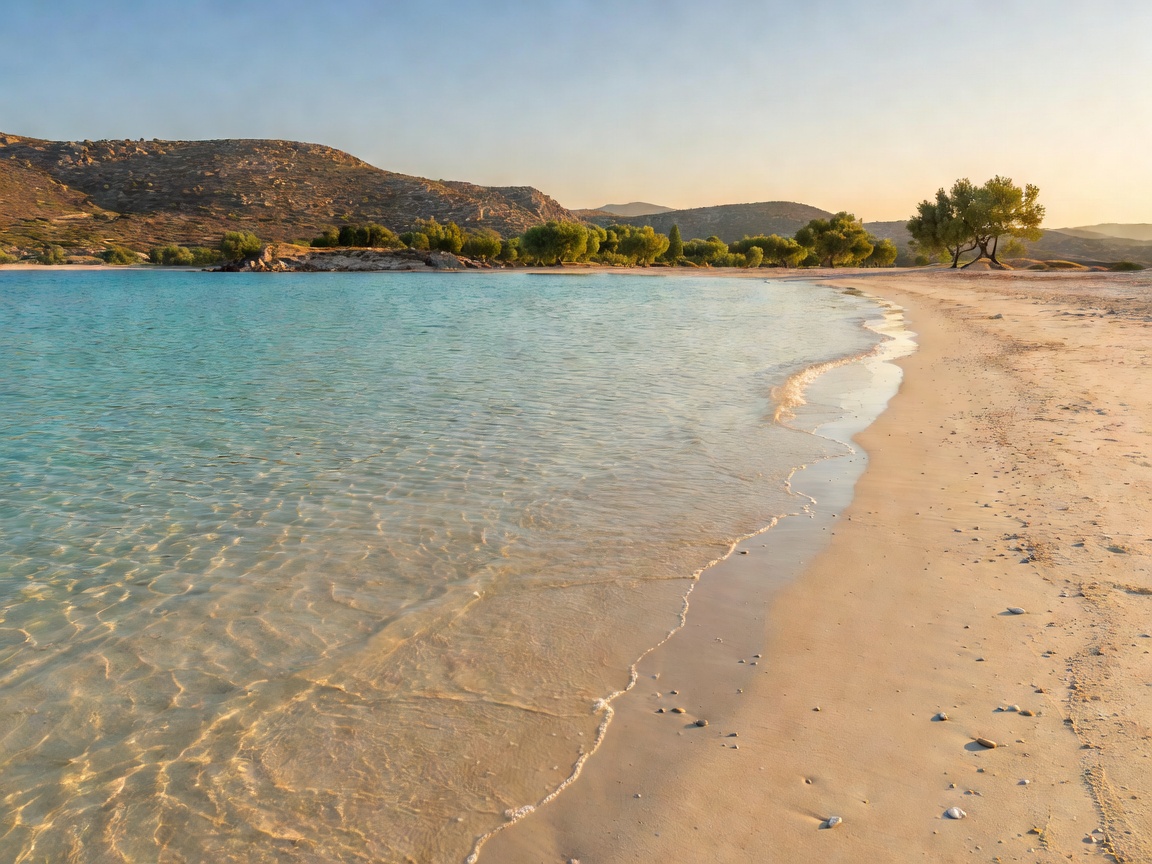
Greece's largest island mixes the lagoons of Balos and Elafonisi with the Minoan palace of Knossos and the Samaria Gorge hike.
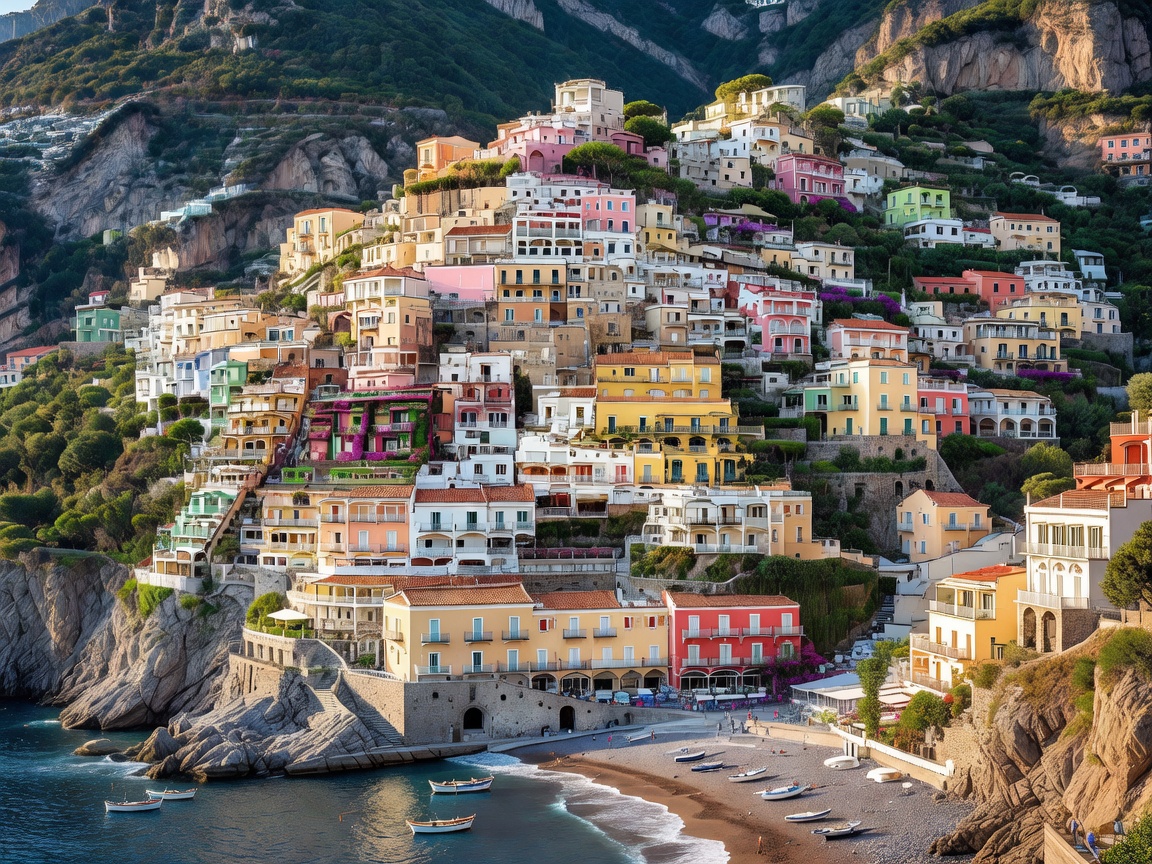
Positano, Amalfi and Ravello cling to cliffs above small pebble beaches. Ferries are often calmer than the winding coast road.
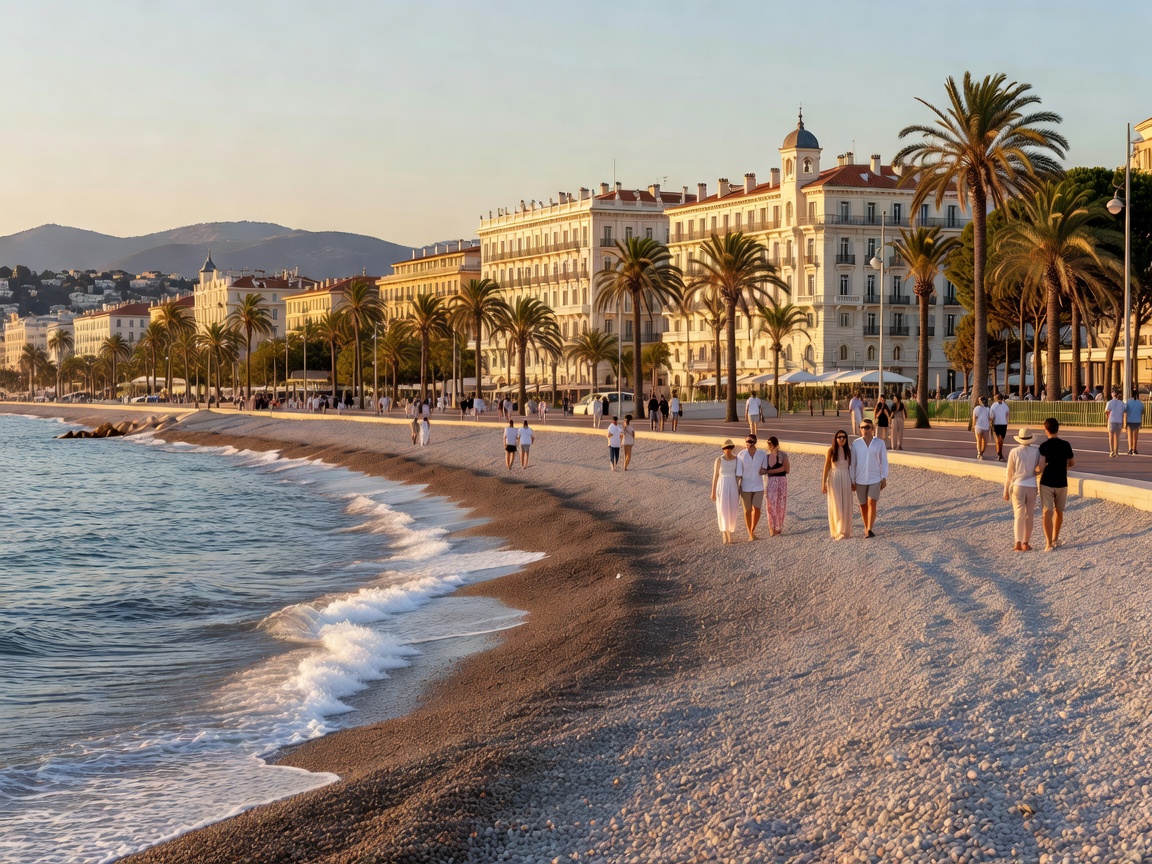
Nice, Antibes and Cannes offer chic promenades; Málaga, Marbella and Nerja on the Costa del Sol deliver long sandy beaches and sunshine.
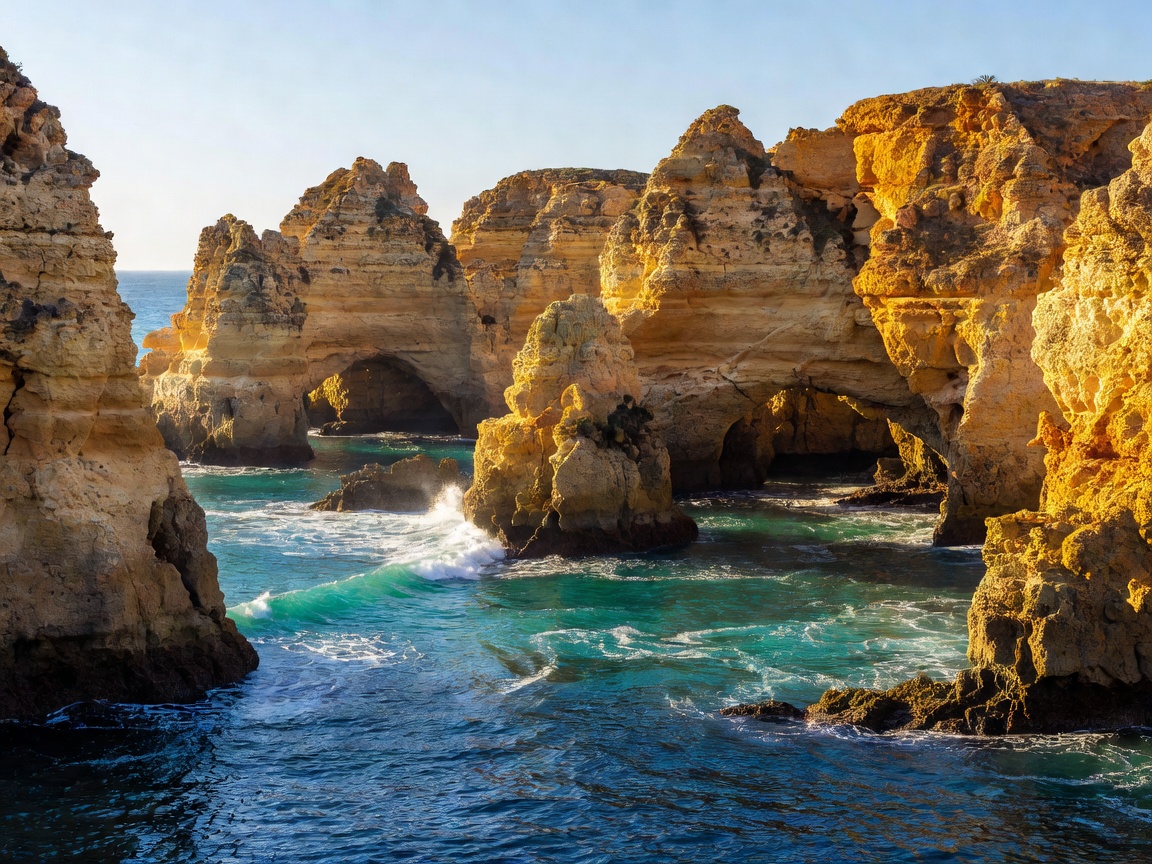
The Algarve's golden cliffs, Benagil Cave and Ponta da Piedade near Lagos contrast with Madeira's volcanic, green mountain island.
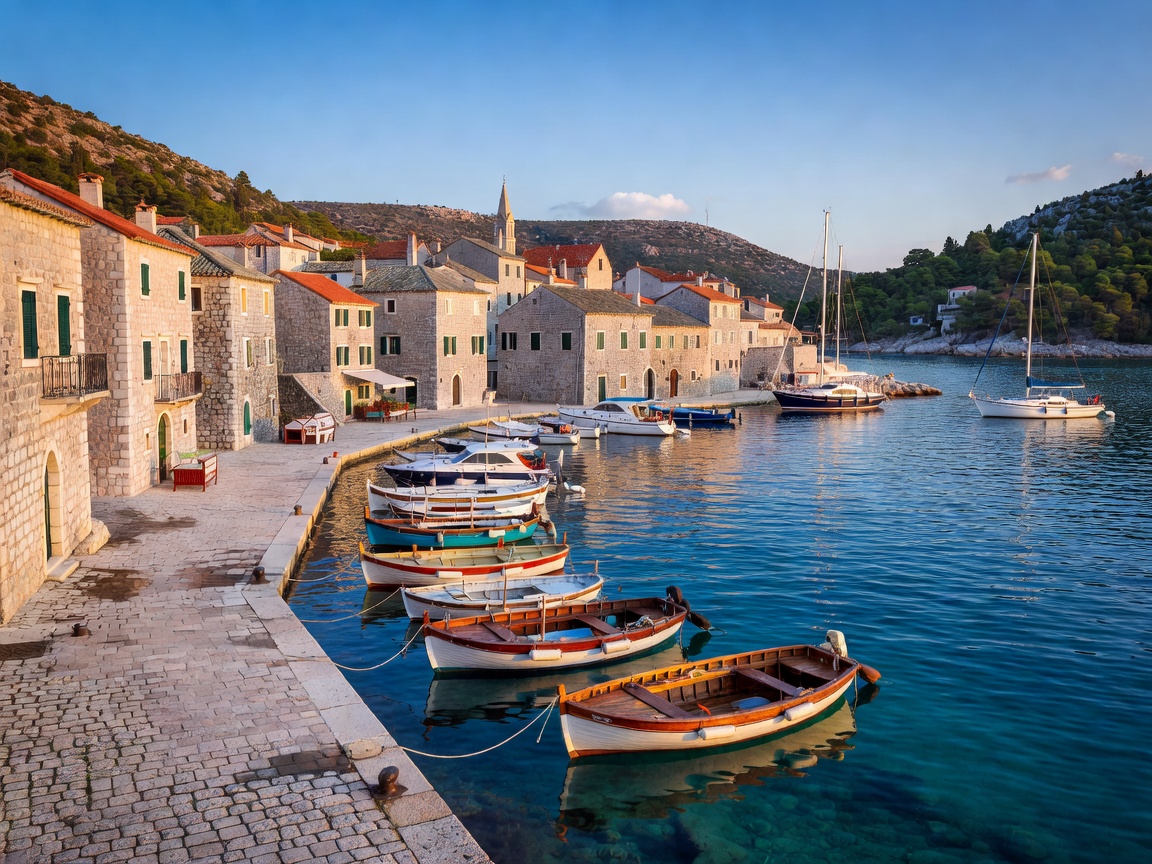
Hvar pairs lavender fields with the Pakleni Islands; the wider Dalmatian Coast between Split and Dubrovnik is superb for sailing and ferry hops.
Side by side
| Region | Beach type | Atmosphere | Best for |
|---|---|---|---|
| Santorini | Volcanic sand and pebbles | Romantic, busy at sunset | Views and couples |
| Mykonos | Sandy coves | Lively, nightlife | Beach clubs |
| Crete | Sand and lagoons | Varied, spacious | Longer stays, families |
| Amalfi Coast | Pebbles | Glamorous, steep | Scenery and food |
| Costa del Sol | Long sandy beaches | Resort-style | Easy sun breaks |
| Algarve | Golden sand, cliffs | Relaxed | Coastal walks, caves |
| Dalmatian Coast | Pebbles, clear water | Island-hopping | Sailing, swimming |
Islands feel like a true escape, but every hop adds a ferry or flight and weather can disrupt schedules. Mainland coasts such as the Costa del Sol or the Algarve are simpler to reach and combine easily with cities, though they can feel more developed.
Whichever you choose, pack reef-safe sun cream, water shoes for pebble beaches and a light layer for breezy ferry decks. Next, discover what to do and eat in Things to Do & What to Eat.