Plan Your Trip: Hotels, Transport, Itineraries & Timing
The logistics chapter — where to sleep, how to move, which routes work and when to go, plus the travel tips that quietly save a journey.
Hotels
Where to stay, and how to choose
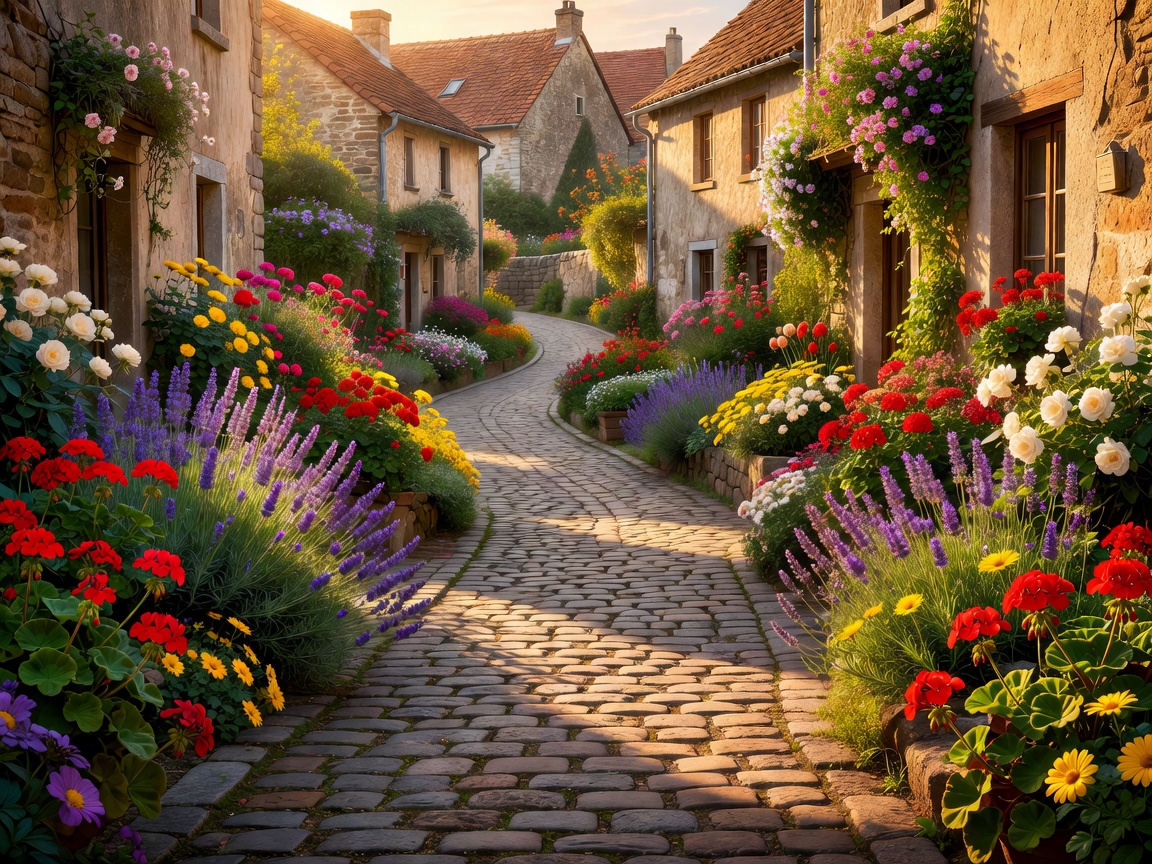
Location matters more than stars. A modest guesthouse within walking distance of the old town saves more time and transport cost than a grand hotel on the outskirts. Europe also offers distinctive stays: agriturismo farm stays in Italy, state-run paradores in historic Spanish buildings, pousadas in Portugal, mountain hotels and huts in the Alps, and rorbuer fishermen's cabins in the Lofoten Islands.
| Type | Best for | Pros | Watch out for |
|---|---|---|---|
| City-centre hotel | Short city stays | Walkable, reception on hand | Small rooms, street noise |
| Boutique guesthouse | Character and local tips | Personal service | Stairs, limited check-in hours |
| Apartment rental | Families, longer stays | Kitchen, space | Local registration rules, cleaning fees |
| Agriturismo, parador or pousada | Countryside and heritage | Memorable settings | Often need a car |
| Mountain hotel or rorbu | Alps and Lofoten | Views, nature on the doorstep | Seasonal opening |
Book early for July, August and major events, choose free-cancellation rates where possible, and budget for local tourist taxes, which are often collected at check-in.
Transportation
Getting around Europe
Trains are the backbone of European travel. High-speed networks include TGV services in France, Frecciarossa and Italo in Italy, AVE in Spain and Railjet in Austria, while Switzerland's SBB is famous for punctual connections. Eurostar links Paris with Amsterdam. Scenic routes such as the Glacier Express in Switzerland and the Bergen Line in Norway are journeys in their own right.
Rail passes such as Eurail (for non-European residents) and Interrail (for European residents) suit flexible, multi-country trips, but high-speed trains often require seat reservations at extra cost. For two or three fixed journeys, advance point-to-point tickets are frequently cheaper.
Flights make sense for long distances and islands, for example Lisbon to Athens or Oslo to Tromsø. Ferries are essential in Greece and Croatia, where Jadrolinija runs many Adriatic routes, and Hurtigruten sails the Norwegian coast. Driving is ideal for the Algarve, rural Crete and Tuscany but stressful on the Amalfi Coast, where SITA buses and ferries are easier.
Train advantages
- City-centre to city-centre travel.
- Generous luggage and scenic views.
- Lower emissions than short-haul flights.
Train drawbacks
- Long distances take a full day.
- Walk-up fares can be expensive.
- Strikes can disrupt schedules in some countries.
Suggested Itineraries
Six routes that work
7 days · Paris & Amsterdam
Four days in Paris for the Eiffel Tower and Louvre Museum, then the train to Amsterdam for the Rijksmuseum, with a day trip to Keukenhof in spring or Giethoorn and Rotterdam otherwise.
10 days · Classic Italy
Rome and Vatican City (4 nights), Florence (3), Venice (3). Add the Amalfi Coast with two or three extra days.
14 days · Alps & imperial cities
Zurich (2), Lucerne (2), Interlaken (3), Innsbruck (1), Salzburg with a Hallstatt day trip (2), Vienna and Schönbrunn Palace (3), plus a buffer day.
10 days · Iberian loop
Lisbon with a Sintra day trip (3), Porto (2), then Seville (2) and Madrid or Barcelona (3). Swap in the Algarve or Costa del Sol for beach time.
12 days · Adriatic & Aegean
Dubrovnik (3), Split with Plitvice Lakes (2), Hvar (2), fly to Athens for the Acropolis (2), then Santorini or Crete (3).
8 days · Norway highlights
Oslo (2), the Bergen Line to Bergen (2), the Norwegian Fjords (2), then fly north to Tromsø or the Lofoten Islands (2).
Best Time to Visit
When to go, region by region
| Region | Peak | Sweet spot | Notes |
|---|---|---|---|
| Mediterranean coasts & islands | June–August | May, September–October | Warm sea into autumn; reduced ferries in winter |
| Major cities | Summer and holidays | April–June, September–October | Southern cities can be very hot in August |
| Swiss & Austrian Alps | July–August, winter holidays | June, September; December–March for snow | Some lifts close between seasons |
| Norway | June–August | Summer for fjords; winter for northern lights | Very short daylight in far-north winter |
| Christmas markets | December | Late November to mid-December | Vienna, Salzburg and Innsbruck are highlights |
Travel Tips
Small habits, big difference
- Entry rules: all ten countries are in the Schengen Area. Check official EU and government websites for current visa and electronic entry requirements.
- Money: the euro works in eight countries; bring cards for Swiss francs and Norwegian kroner. Choose to pay in local currency when a card machine asks.
- Plugs: most countries use Type C and F sockets; Switzerland uses Type J, so pack a suitable adapter.
- Security: keep valuables zipped away in crowded places and on busy trams and metros.
- Dress codes: cover shoulders and knees for churches, including St Peter's Basilica.
- Water: tap water is safe in most cities; Rome's public drinking fountains are a summer lifesaver.
- Insurance: buy travel insurance that covers health, cancellations and any adventure activities.
- Pace: leave one unscheduled afternoon every few days — it is often the part you remember most.
Still have questions? Read our Travel FAQ or write to the editors.