Paris, France
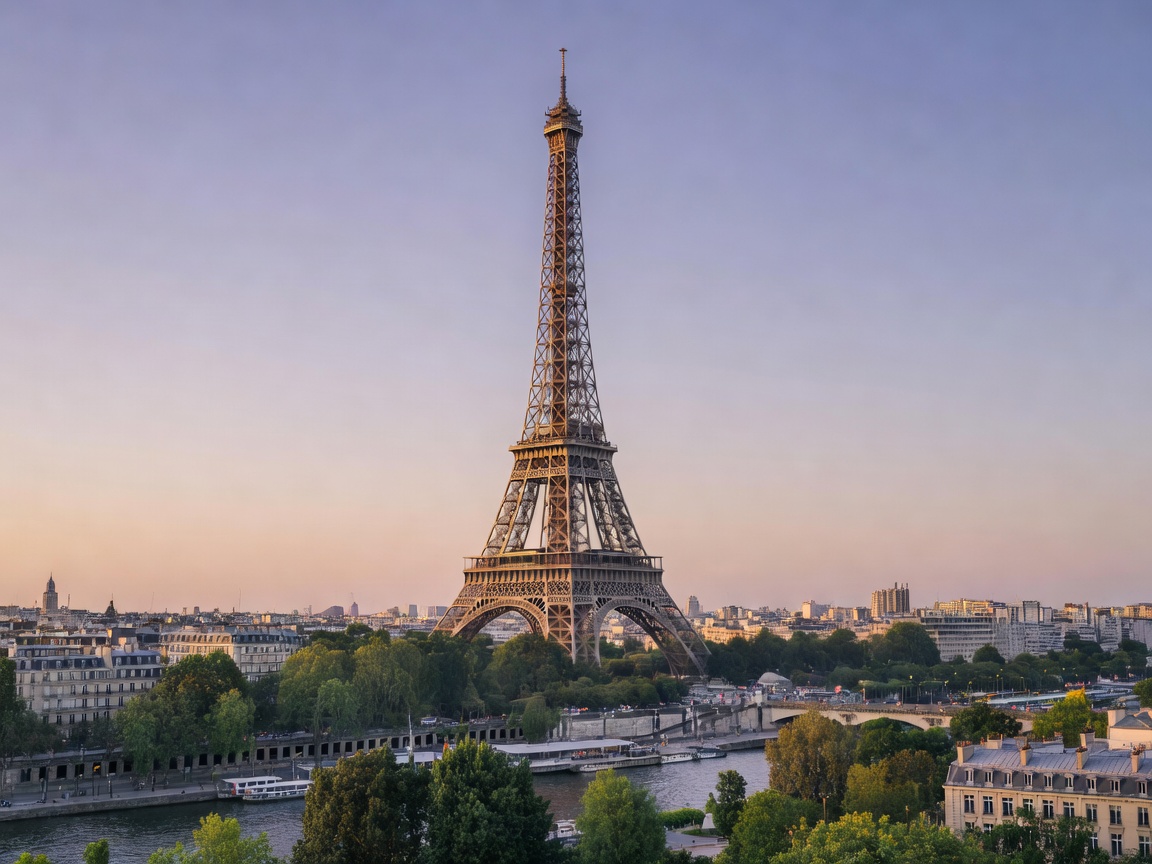
Eiffel Tower
Climb the stairs to the second floor for shorter lines, then take the lift to the summit. Come back after dark to see the tower's sparkling lights from the Trocadéro.
How to see the icons without the crush, and how to choose between Europe's great cities based on what you actually love doing.
Europe's most famous landmarks are famous for good reason, and they are also where travellers lose the most time to queues. Three habits make a dramatic difference: book timed-entry tickets through the official website as soon as your dates are fixed, arrive at opening time or late in the day, and plan no more than one major landmark per half-day. Anything more and museum fatigue sets in fast.
Official ticket sites are always the safest starting point. Resellers may offer skip-the-line bundles with a guide, which can be worthwhile at complex sites such as Vatican City, but compare what is included before paying extra.
Famous Landmarks
Climb the stairs to the second floor for shorter lines, then take the lift to the summit. Come back after dark to see the tower's sparkling lights from the Trocadéro.
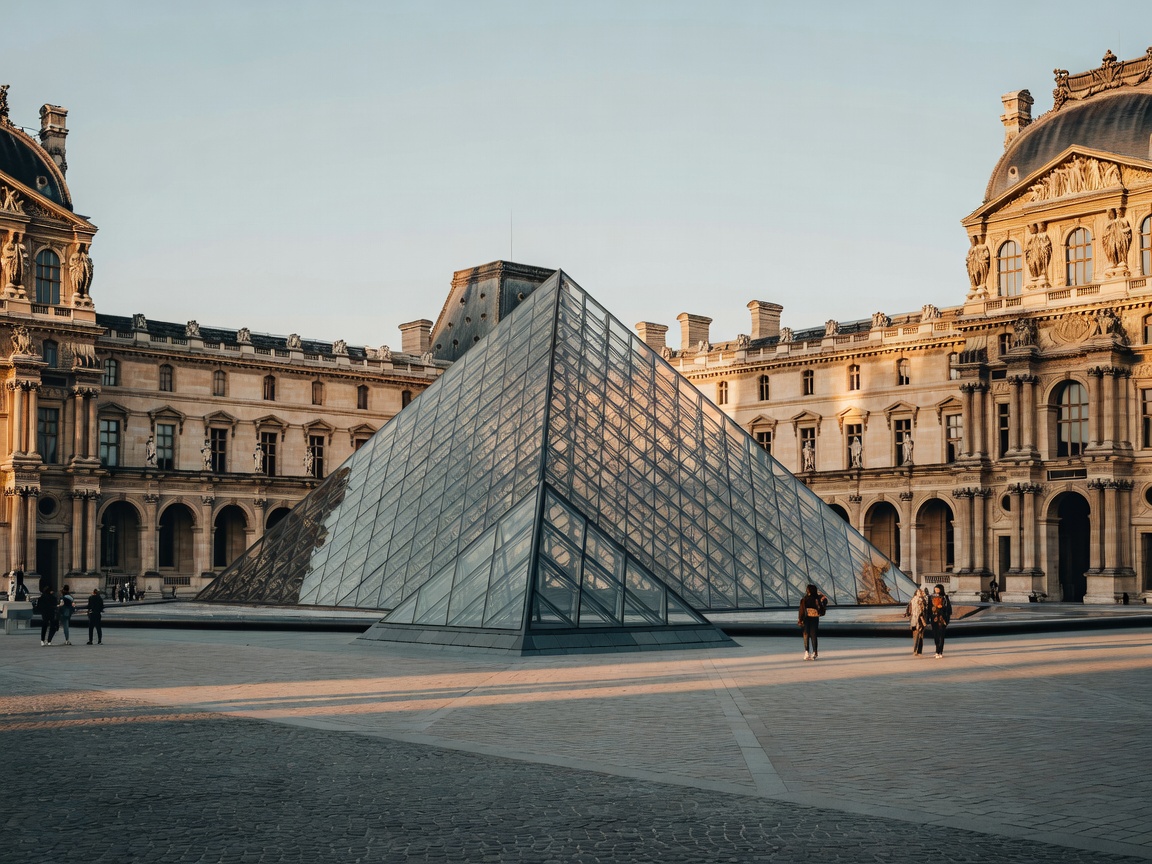
It is vast. Choose one wing — Denon for the Mona Lisa and Italian painting, Richelieu or Sully for other collections — rather than trying to see everything.
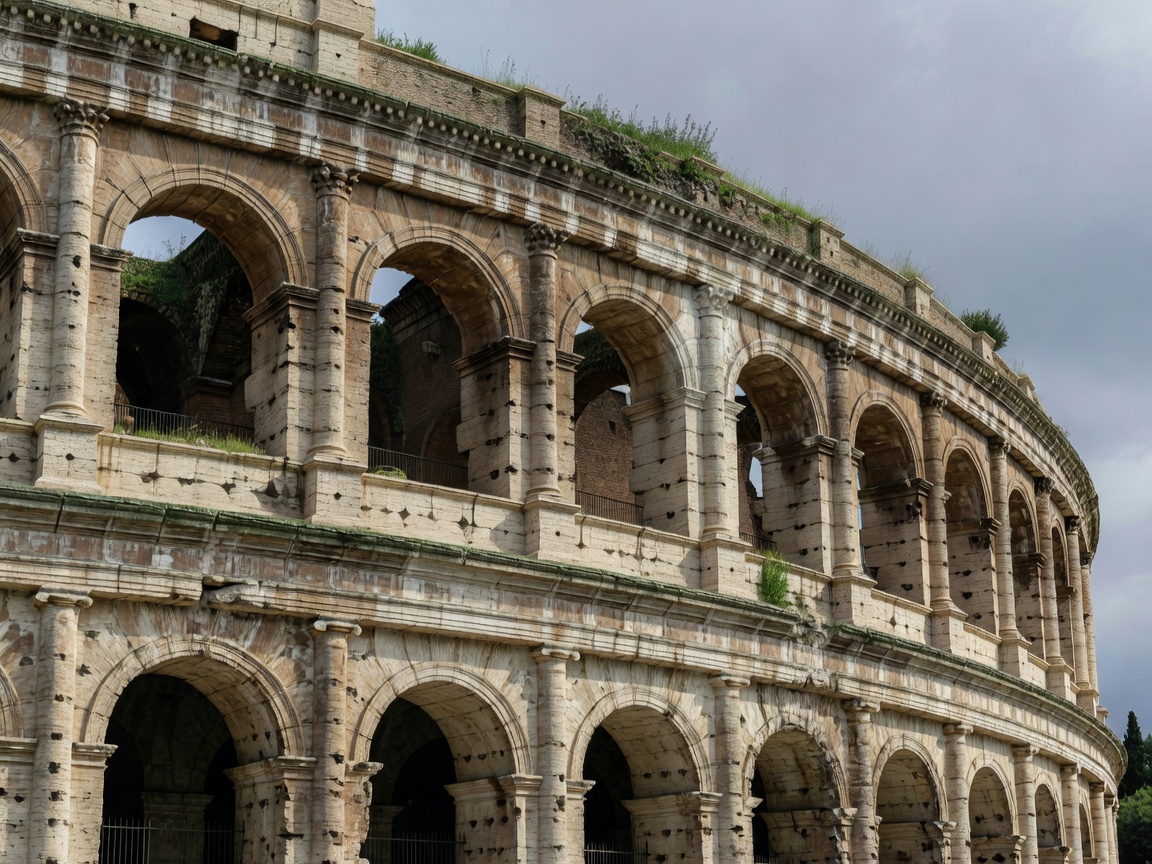
Standard tickets combine the Colosseum with the Roman Forum and Palatine Hill. Allow a full morning and bring water and sun protection.
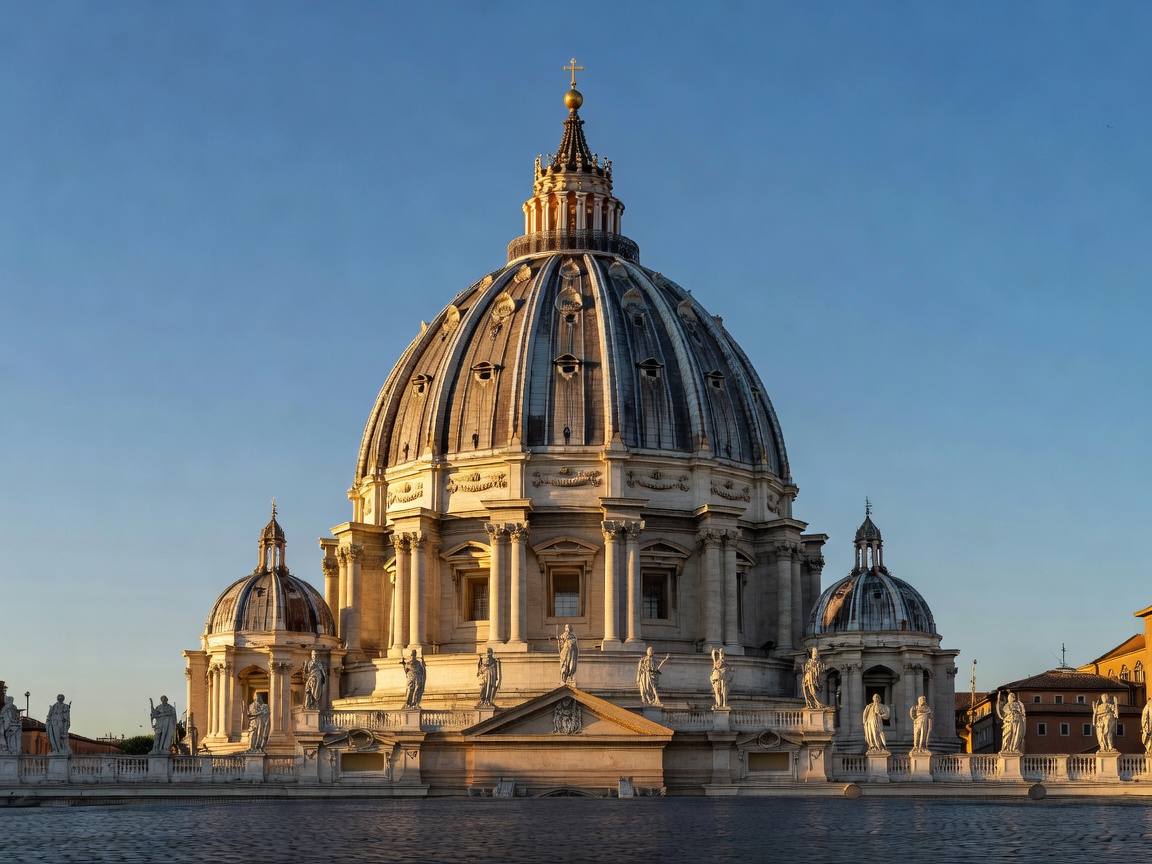
Cover shoulders and knees for St Peter's Basilica. The Sistine Chapel sits at the end of the museum route, so pace yourself.
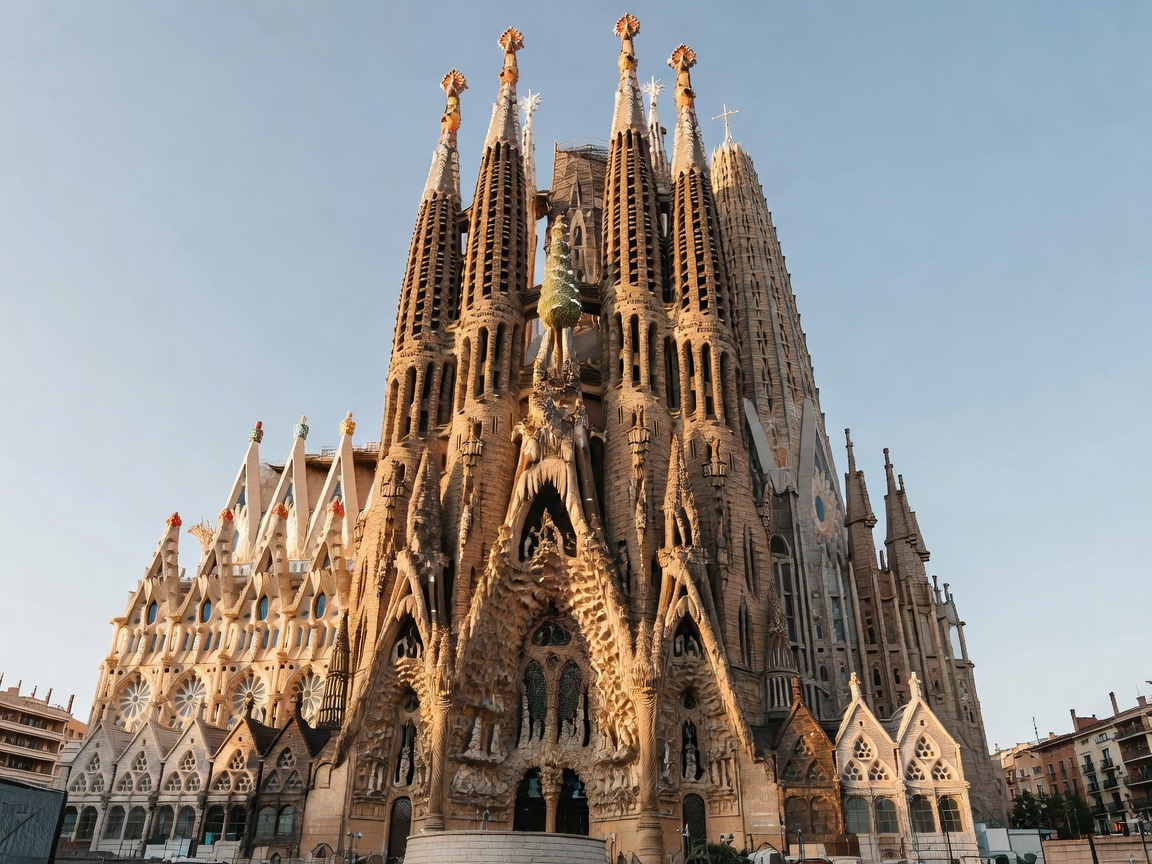
Gaudí's basilica is still under construction. Visit in the morning or late afternoon when sunlight pours through the stained glass.
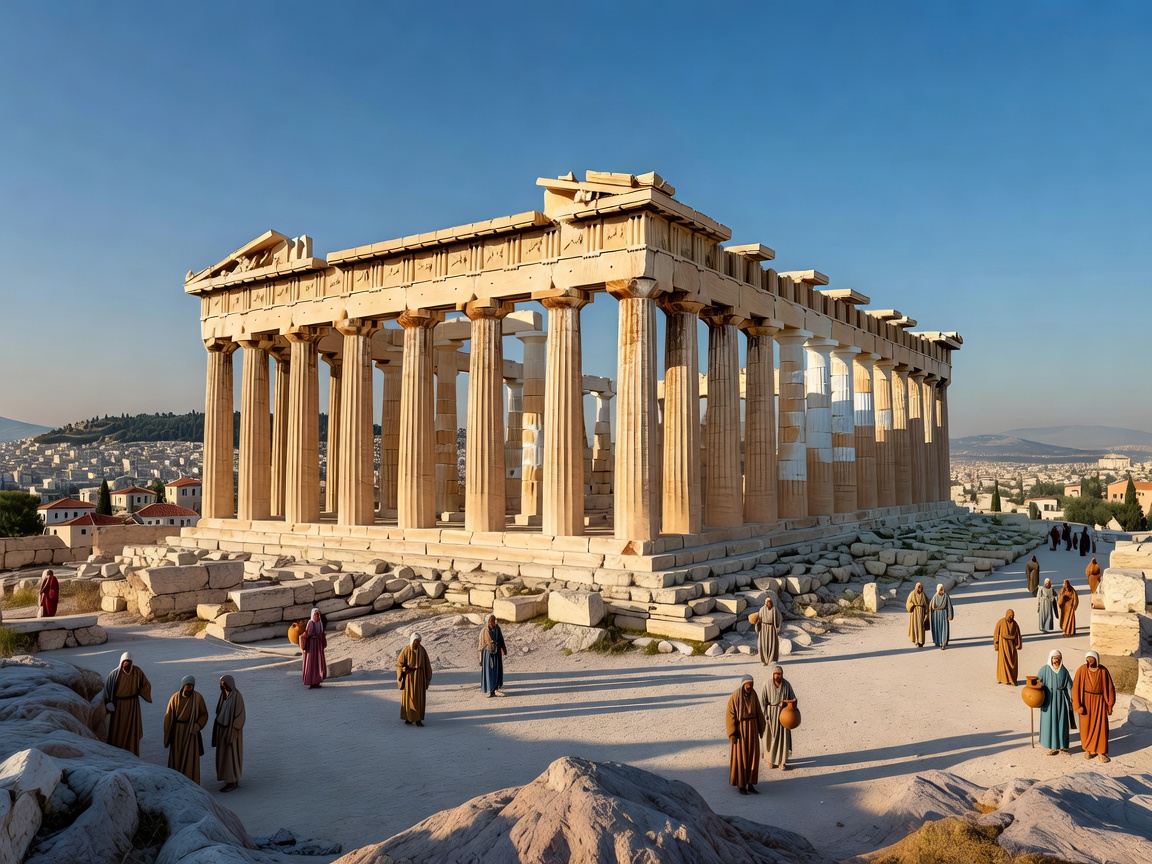
Go at opening time to beat summer heat and cruise groups, then continue to the Acropolis Museum at the foot of the hill.
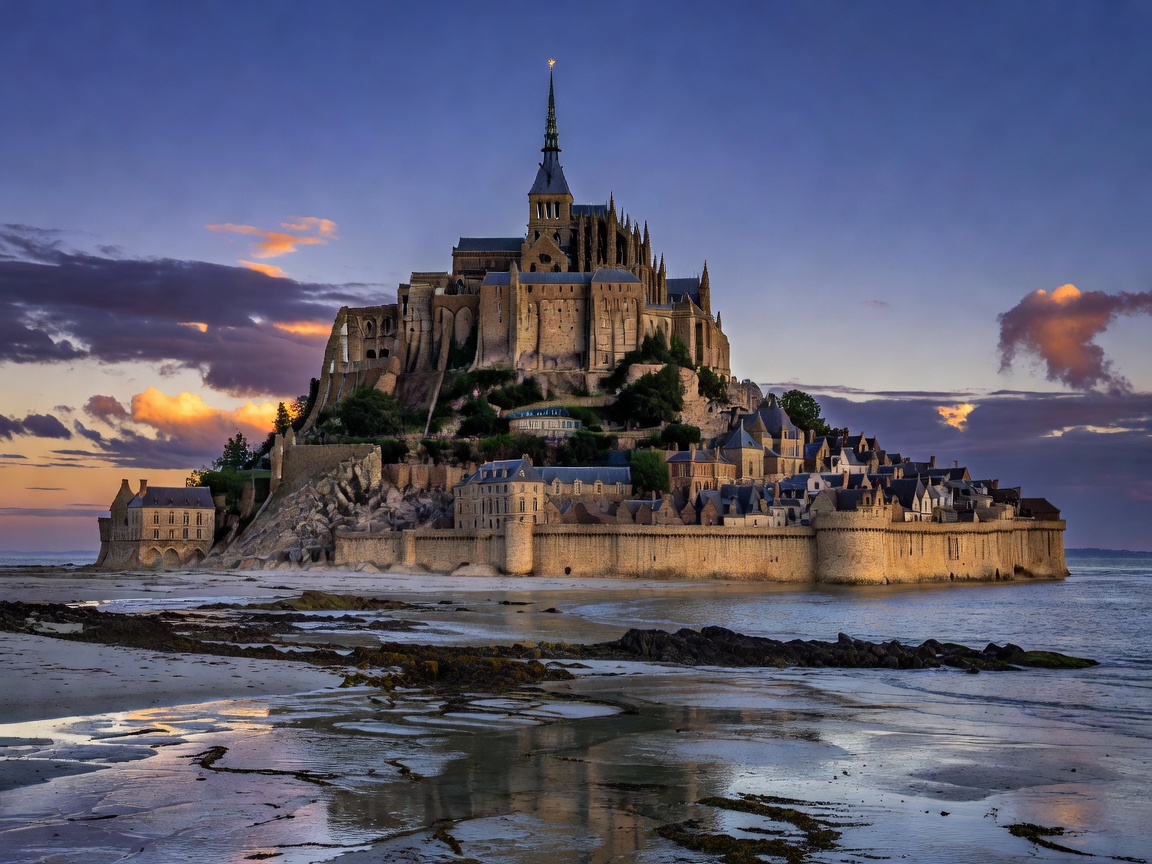
A shuttle crosses the causeway from the mainland. Stay overnight nearby to enjoy the island after day visitors leave, and check tide times.
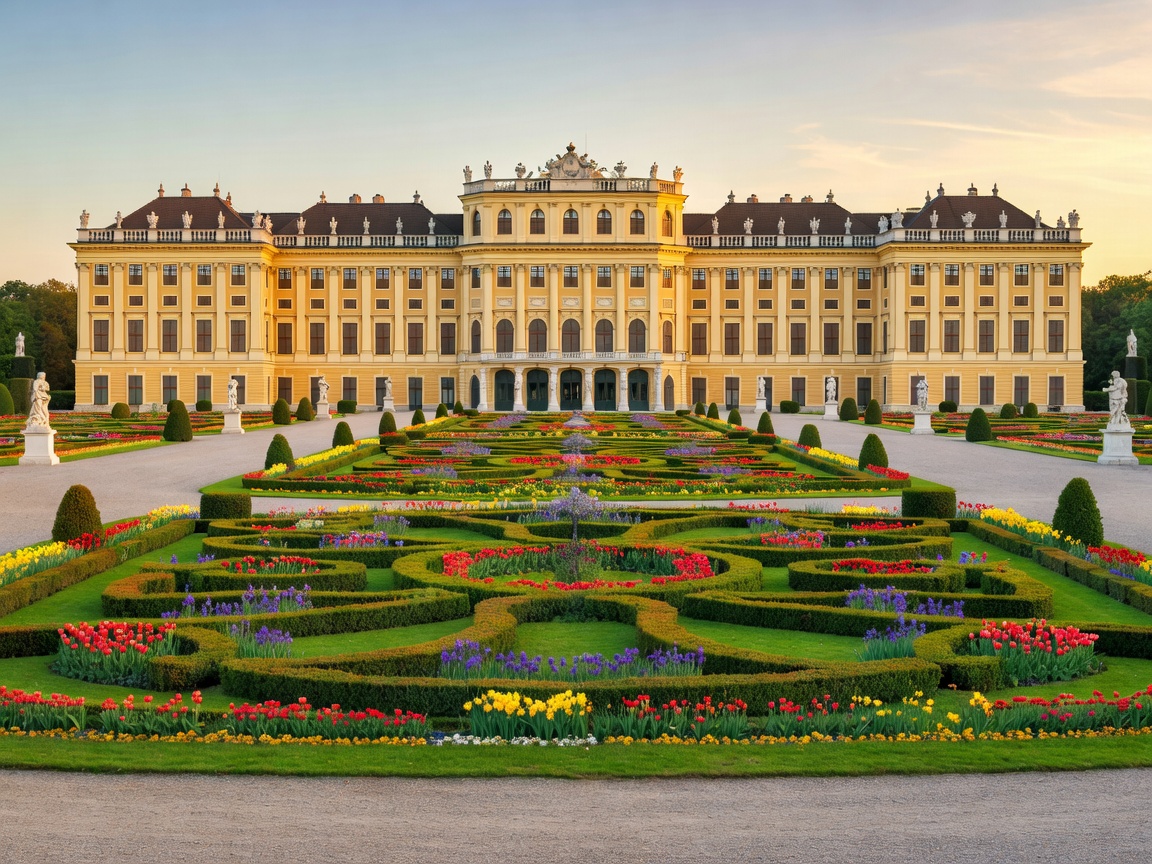
The Habsburg summer residence has sweeping formal gardens. Walk up to the Gloriette for the classic view back over the palace and city.
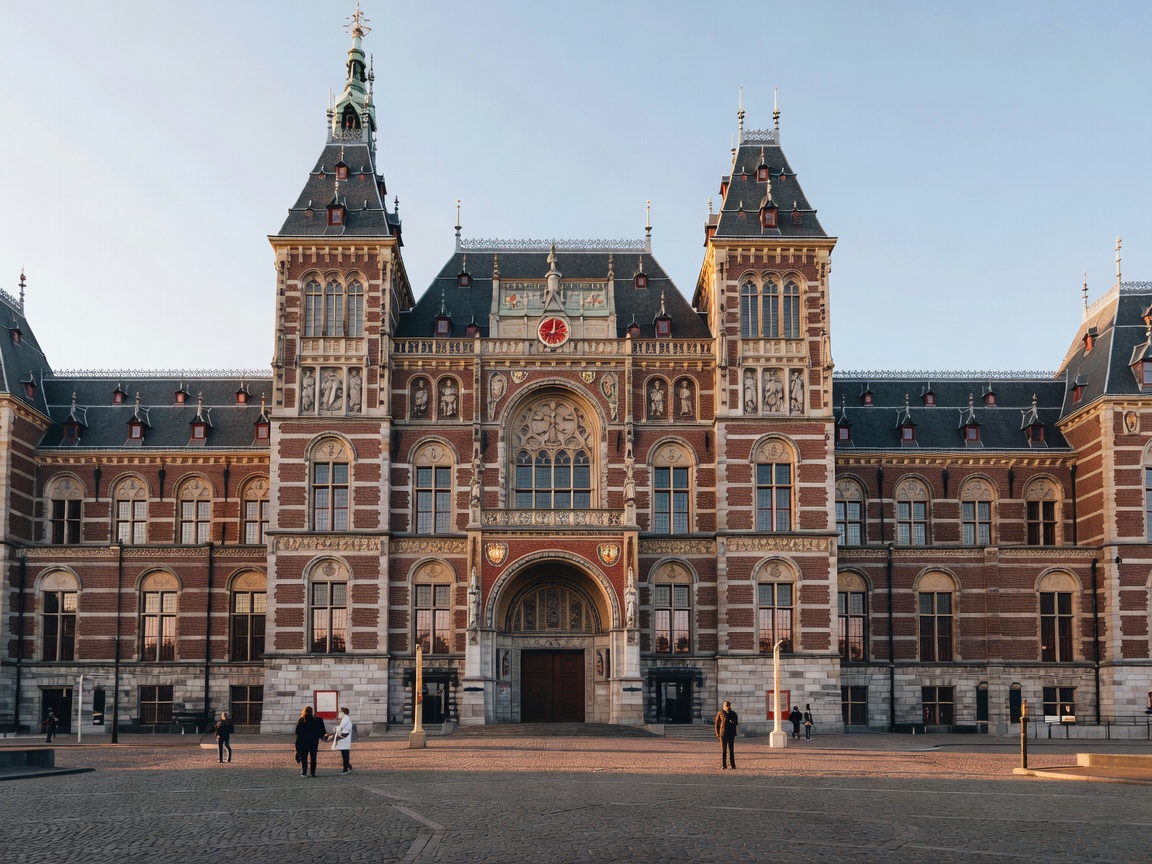
Home to Rembrandt's The Night Watch and Vermeer's The Milkmaid. Head to the Gallery of Honour first, then explore at leisure.
Cities
Paris is a city for walking: cafés, markets and museums packed into distinct neighbourhoods. Rome layers ancient ruins, Baroque fountains and neighbourhood trattorias, and pairs naturally with Vatican City. Florence is compact and art-heavy, while Venice is best explored by getting lost in its lanes early or late in the day; the city has introduced an access fee for day visitors on peak dates, so check the official site before you go.
Barcelona blends beach life with Gaudí architecture; Madrid is about world-class art and late nights; Seville offers orange-scented plazas and flamenco. Vienna and Salzburg feel refined and musical. Lisbon and Porto reward hill-climbers with viewpoints. Amsterdam and Rotterdam show two sides of the Netherlands, historic canals versus bold modern architecture. Athens, Zurich, Oslo, Bergen, Dubrovnik and Split round out a remarkable collection.
Side by side
| City | Best for | Pace | Suggested stay |
|---|---|---|---|
| Paris | Art, food, romance | Busy but walkable | 3–5 nights |
| Rome | Ancient history, Vatican City | Intense in summer | 3–4 nights |
| Florence | Renaissance art | Compact, crowded core | 2–3 nights |
| Barcelona | Architecture and beach | Lively | 3–4 nights |
| Vienna | Palaces, music, coffee houses | Calm and elegant | 3 nights |
| Lisbon | Viewpoints, trams, value | Relaxed but hilly | 3–4 nights |
| Amsterdam | Canals, museums, cycling | Compact | 2–3 nights |
Capitals give you the headline museums, the widest choice of restaurants and the best transport connections. Smaller cities such as Porto, Salzburg, Bergen or Split offer a more intimate feel and shorter walking distances, but fewer late-night options and sometimes thinner transport links.
A balanced trip often mixes one big capital with a smaller city or a stretch of countryside. Continue to Nature, Landscapes, Beaches & Islands for the landscapes that make a perfect counterweight to city days.