Western Europe
France
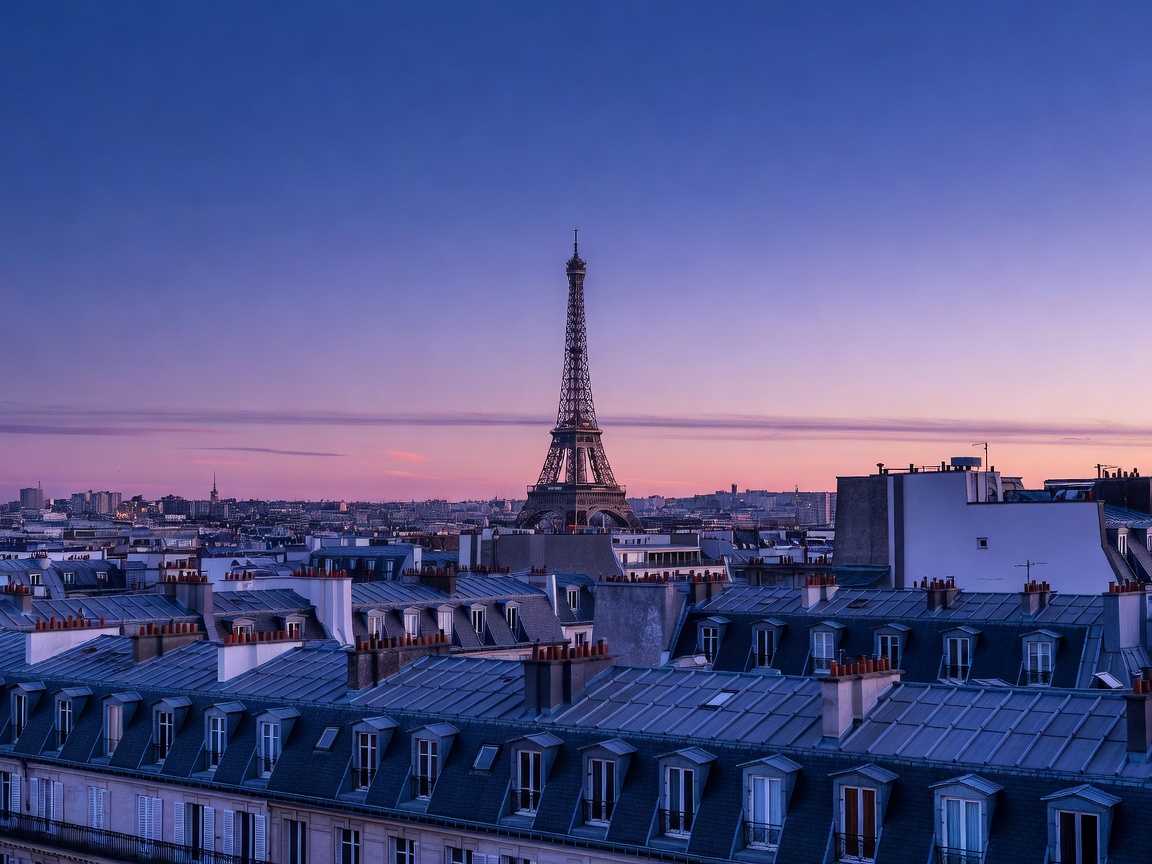
Places: Paris, Eiffel Tower, Louvre Museum, French Riviera, Mont Saint-Michel.
Best for art, café culture and a coastline that runs from Riviera glamour to Normandy's dramatic tides.
A country-by-country field guide to the destinations that shape a first — or fifth — European journey, from the boulevards of Paris to the fishing villages of the Lofoten Islands.
Choosing where to go is the hardest part of planning Europe. Ten countries is already a big canvas, and each of them could fill a month on its own. This chapter gives you the essentials for each one: the five or six places that define it, what kind of traveller it suits best, and how it compares with its neighbours on currency, pace and overall cost.
Think of the places listed as anchors rather than a checklist. A capital city gives you museums, food and transport links; a coastline or mountain region gives you breathing space. The most satisfying trips usually pair one of each — Paris with Mont Saint-Michel, Lisbon with Sintra, Zurich with Lucerne — instead of ticking off capitals back to back.
Countries & Places to Visit
Places: Paris, Eiffel Tower, Louvre Museum, French Riviera, Mont Saint-Michel.
Best for art, café culture and a coastline that runs from Riviera glamour to Normandy's dramatic tides.
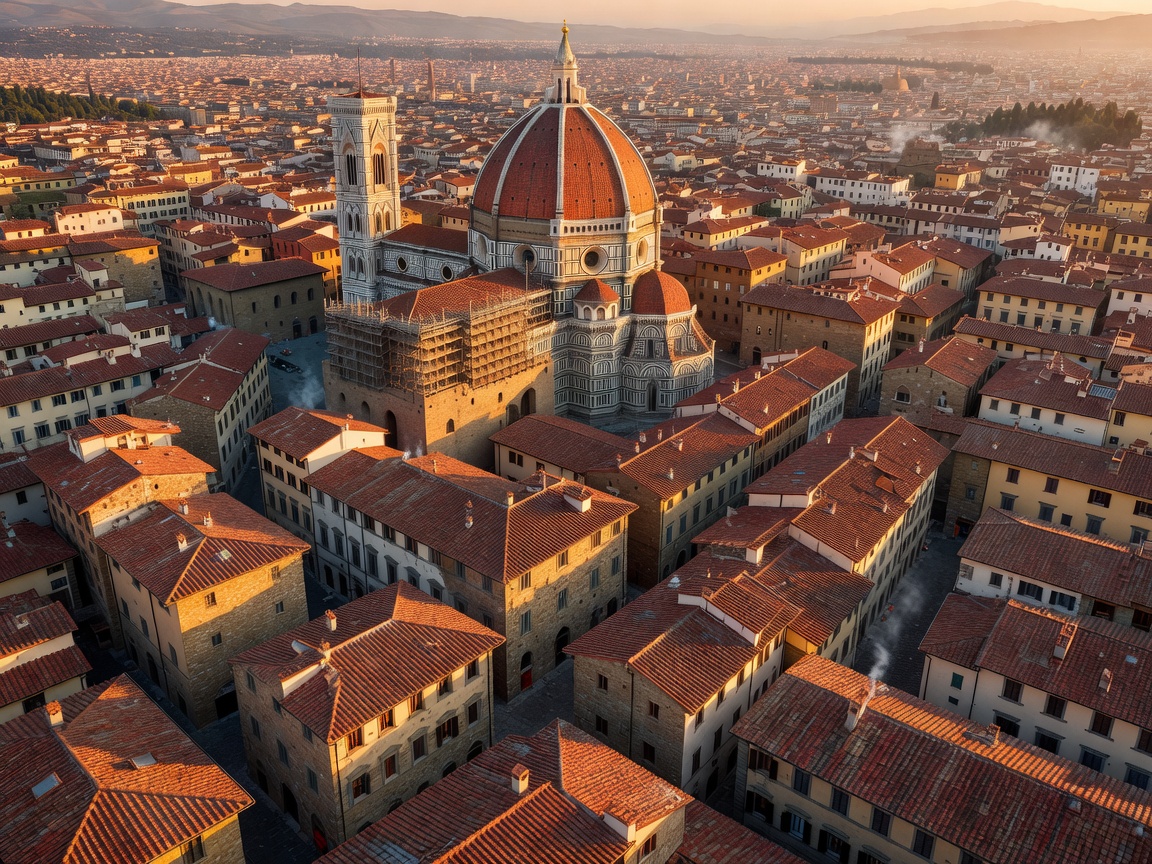
Places: Rome, Colosseum, Venice, Amalfi Coast, Florence, Vatican City.
Best for ancient history, Renaissance art and some of the most celebrated food on the continent.
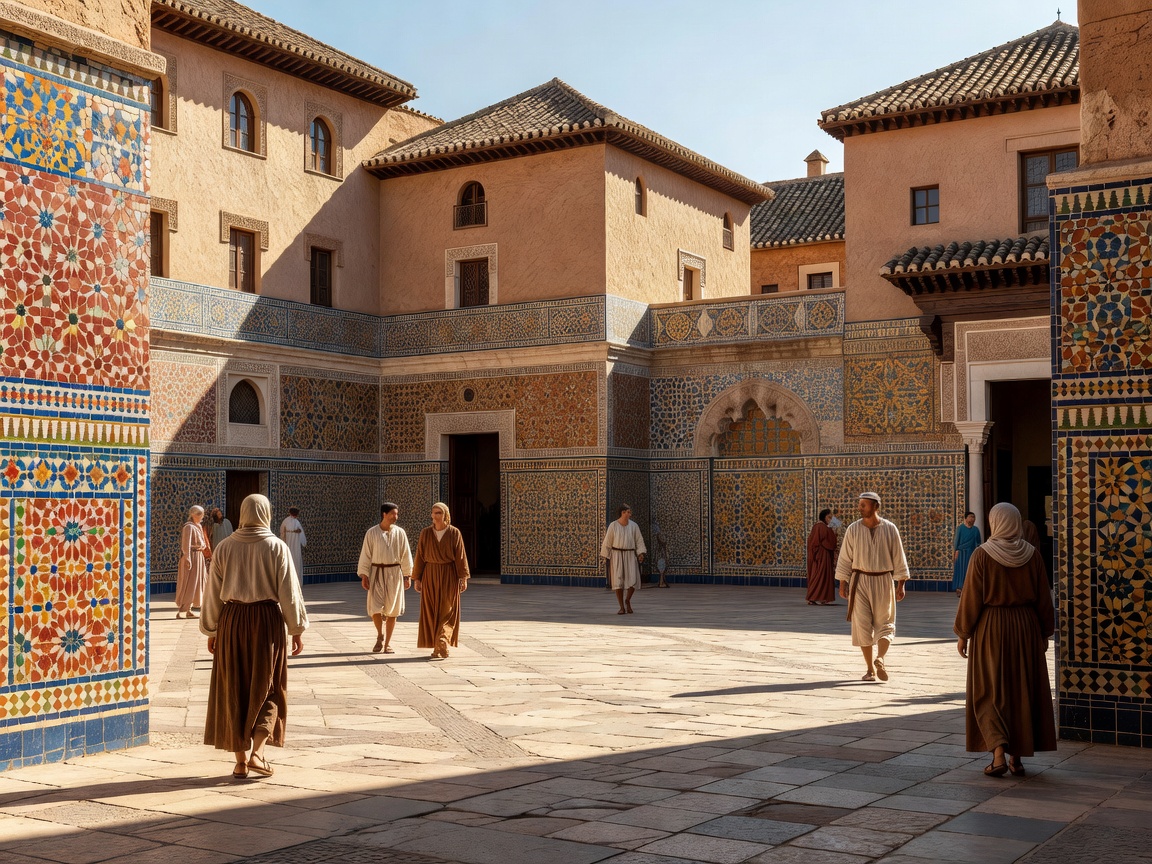
Places: Barcelona, Sagrada Família, Madrid, Seville, Costa del Sol.
Best for late dinners, bold architecture and long, sunny beach days.
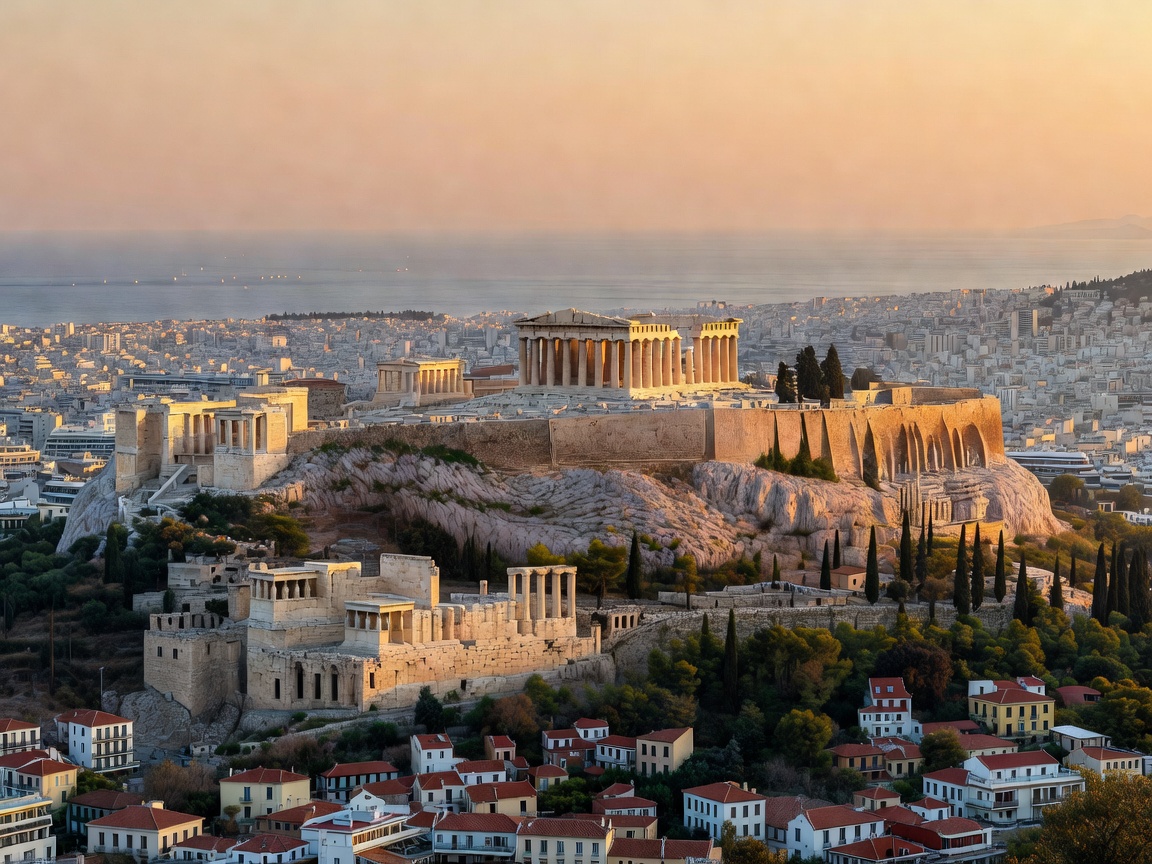
Places: Athens, Acropolis, Santorini, Mykonos, Crete.
Best for classical ruins, island-hopping and slow seaside tavernas.
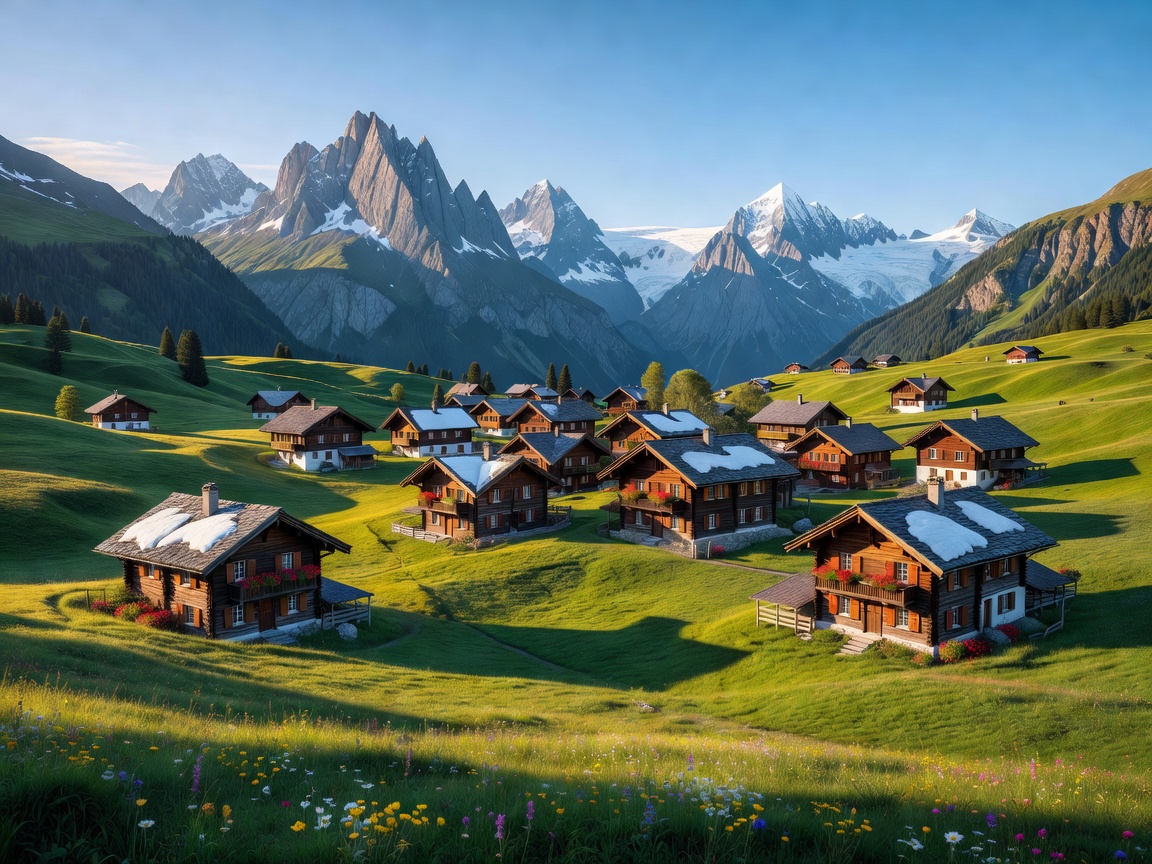
Places: Zurich, Lucerne, Interlaken, Swiss Alps, Lake Geneva.
Best for scenic railways, mountain hiking and elegant lakeside towns.
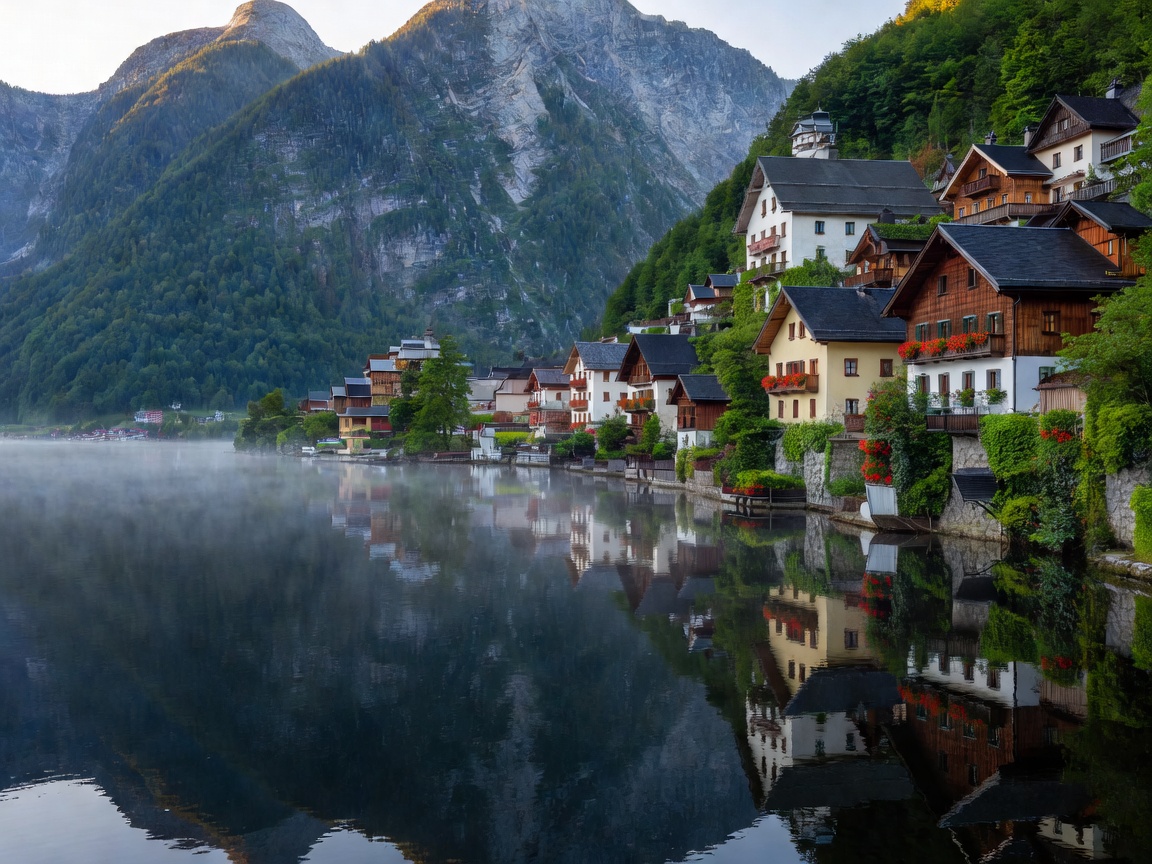
Places: Vienna, Salzburg, Hallstatt, Innsbruck, Schönbrunn Palace.
Best for imperial palaces, classical music and storybook Alpine villages.
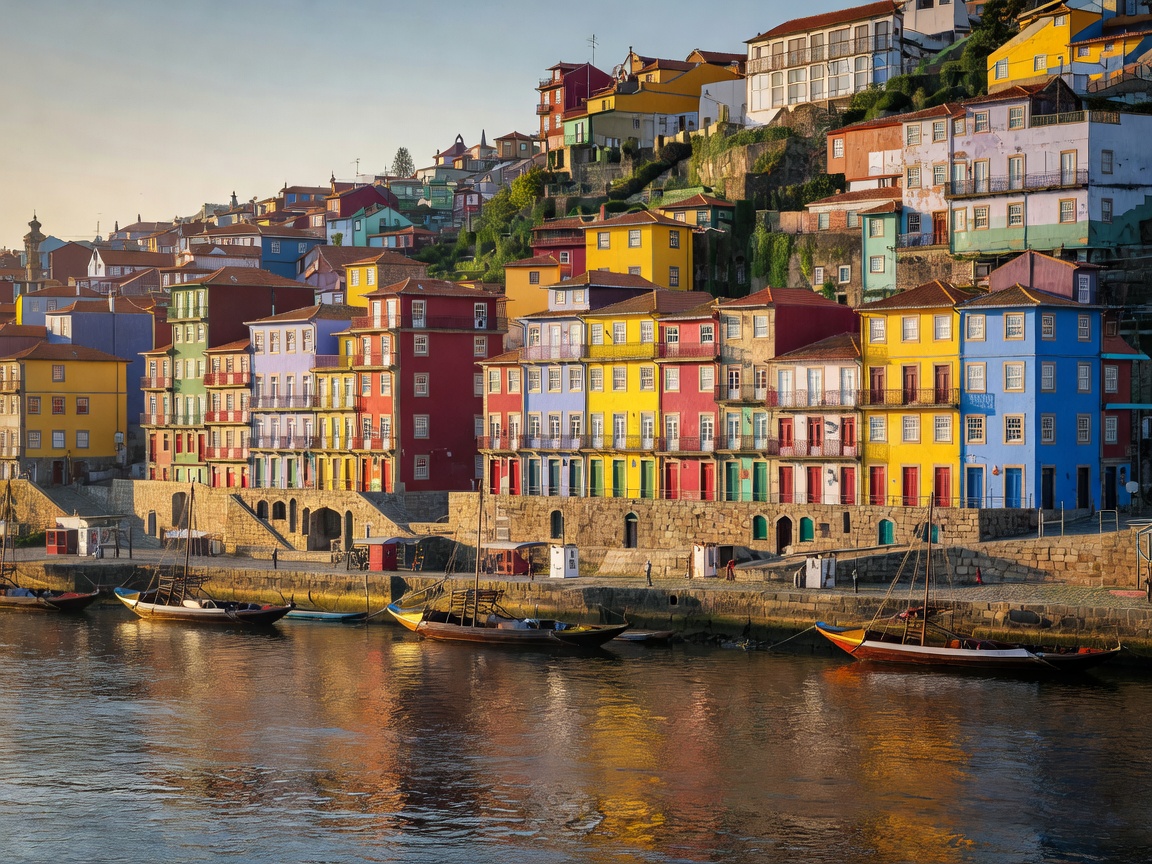
Places: Lisbon, Porto, Algarve, Sintra, Madeira.
Best for hilltop viewpoints, Atlantic seafood and generally good value.
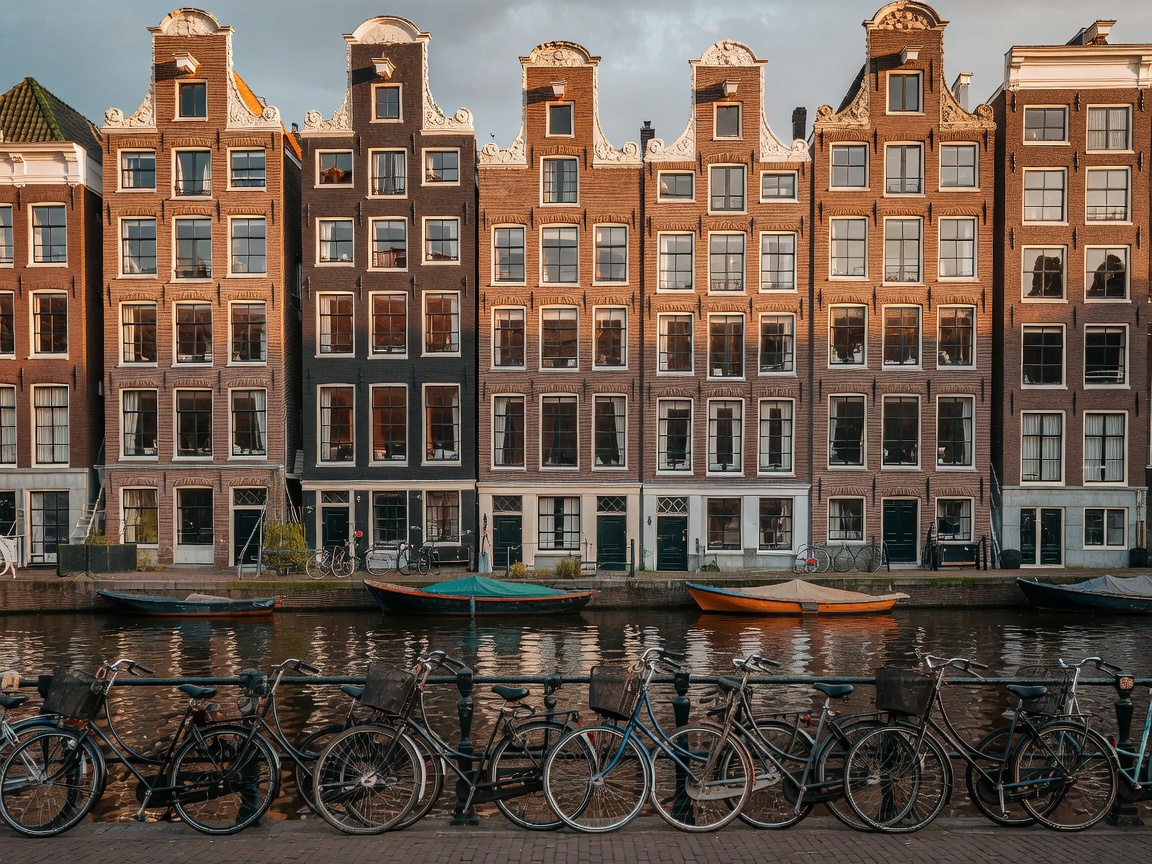
Places: Amsterdam, Rijksmuseum, Keukenhof, Rotterdam, Giethoorn.
Best for canals, cycling, Dutch masters and spring flower fields.
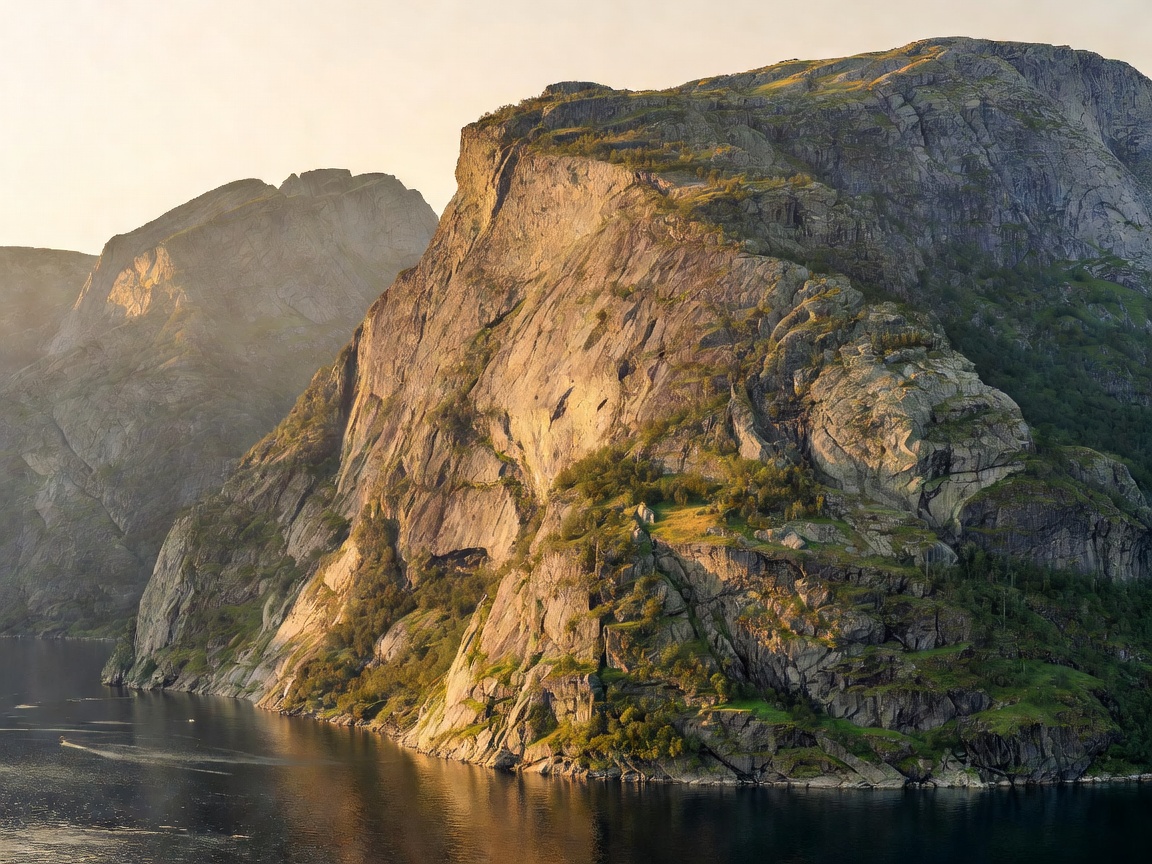
Places: Oslo, Bergen, Norwegian Fjords, Tromsø, Lofoten Islands.
Best for dramatic fjords, the midnight sun and winter northern lights.
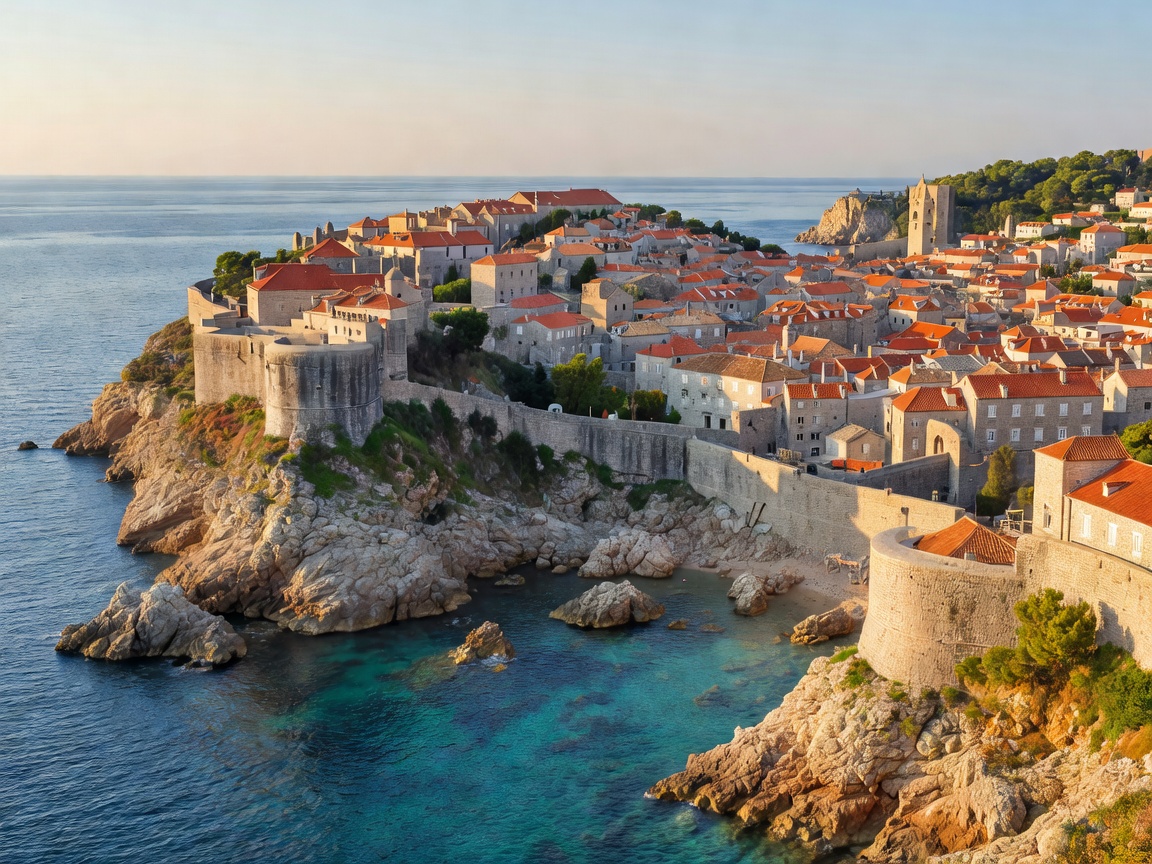
Places: Dubrovnik, Split, Plitvice Lakes, Hvar, Dalmatian Coast.
Best for walled old towns, clear Adriatic water and waterfall parks.
Side by side
A quick reference for currency, pace and relative cost. Cost is a broad feel compared with the other nine countries, not a price quote.
| Country | Currency | Travel pace | Relative cost | First visit |
|---|---|---|---|---|
| France | Euro | City plus regions | Higher in Paris & Riviera | 5–8 days |
| Italy | Euro | Dense with sights | Moderate to higher | 7–12 days |
| Spain | Euro | Relaxed, late evenings | Moderate | 7–10 days |
| Greece | Euro | Island-hopping | Moderate; islands higher in summer | 7–12 days |
| Switzerland | Swiss franc | Rail-scenic | Very high | 4–7 days |
| Austria | Euro | Elegant, unhurried | Moderate to higher | 5–8 days |
| Portugal | Euro | Easy-going | Good value | 6–10 days |
| Netherlands | Euro | Compact, bike-friendly | Higher | 3–5 days |
| Norway | Norwegian krone | Long scenic journeys | Very high | 6–10 days |
| Croatia | Euro | Coastal, ferry-based | Moderate; peak summer higher | 6–10 days |
Neighbouring countries often pair beautifully. France and the Netherlands are linked by high-speed rail; Switzerland and Austria share Alpine scenery and efficient trains; Portugal and Spain form a natural Iberian loop; Croatia and Greece combine easily with a short flight. The question is how much movement you really want.
If you love art and cities, start with France or Italy. If you want sunshine and a laid-back pace at a gentler cost, Portugal or Spain are hard to beat. Mountain lovers should head for Switzerland or Austria, island dreamers for Greece or Croatia, and anyone chasing big, wild landscapes for Norway. Short on time? The compact Netherlands rewards even a long weekend.
Once you have chosen, continue to Famous Landmarks & Great Cities to decide which icons deserve your limited hours.